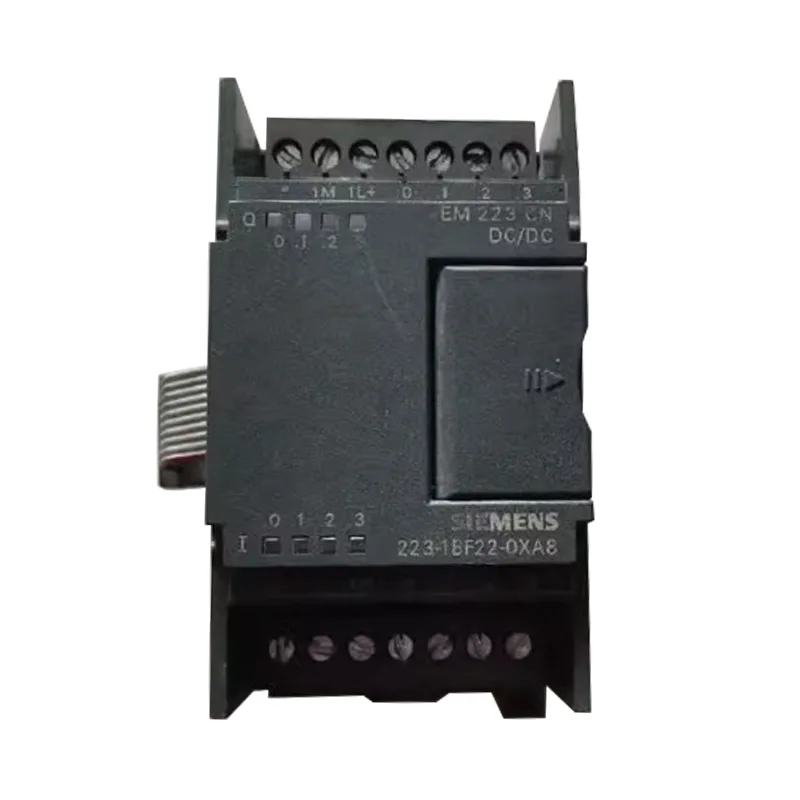
For industrial automation projects that require fast, consistent communication between programmable logic controllers (PLCs), choosing the right memory exchange module is essential. Xinyuan introduces the GE IC698CMX016, a Control Memory Xchange module designed for the PACSystems RX7i platform. By using reflective memory technology and fiber-optic communication, this module enables deterministic data sharing among compatible controllers and computing devices, helping engineers build coordinated control architectures for demanding industrial applications.
The GE IC698CMX016 is a single-slot Control Memory Xchange module designed to distribute data across a compatible reflective memory network. It provides 16 MB of reflective memory with parity, supports a 2.12 Gbaud fiber-optic network, and accommodates up to 256 compatible nodes. Its CPU-independent network operation helps reduce the processing burden associated with distributing shared data. This article explains its technical specifications, operating principles, installation requirements, industrial applications, and key considerations when sourcing a replacement module.
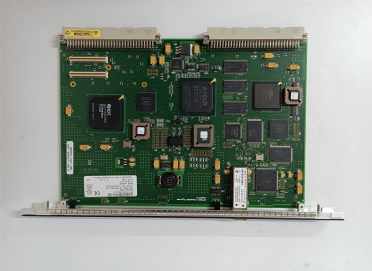
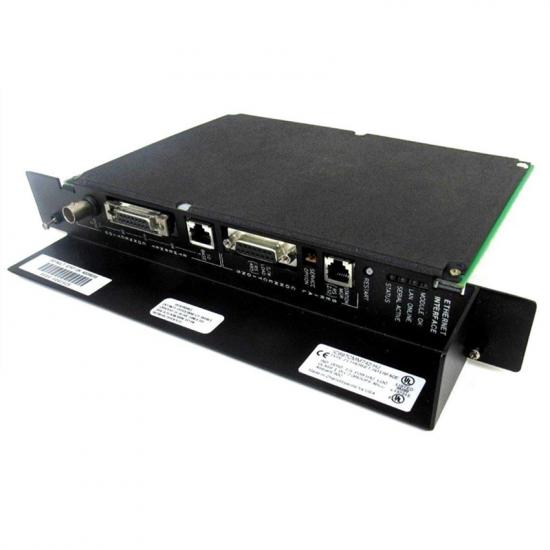
The GE IC698CMX016 is a Control Memory Xchange (CMX) module developed for the PACSystems RX7i programmable automation controller platform. It uses reflective memory technology to synchronize shared data across connected devices through a high-speed fiber-optic network.
Unlike conventional communication methods that require each controller to repeatedly request data from another device, reflective memory allows a write operation at one node to update the corresponding memory locations throughout the network. This approach is particularly useful when several controllers need access to common operating information with predictable communication behavior.
Key characteristics include:
For engineers maintaining established automation installations, identifying the exact model and hardware revision is important before purchasing a replacement or expanding an existing system.
The module uses a fiber-optic serial link operating at 2.12 Gbaud. Its dynamic packet handling supports packet sizes from 4 to 64 bytes, allowing the module to accommodate different data-transfer patterns. The documented maximum network transfer rate ranges from approximately 43 MB/s with 4-byte packets to 174 MB/s with 64-byte packets.
These figures describe network transfer performance under the relevant packet conditions. Actual application performance depends on network traffic, write patterns, and system configuration.
Reflective memory distributes accepted data updates to compatible nodes on the network. This architecture can simplify communication between coordinated control systems because participating devices maintain corresponding shared memory regions rather than relying exclusively on repeated point-to-point exchanges.
The module uses LC-type fiber-optic connections and supports multimode fiber links up to 300 meters under the specified conditions. Fiber-optic communication can help isolate network signaling from many sources of electrical interference commonly encountered in industrial environments.
Front-panel indicators provide information about module operation, configuration, received data, and optical signal detection. Network error detection and memory parity features also support troubleshooting and data-integrity monitoring.
The following table summarizes key specifications documented for the IC698CMX016 Control Memory Xchange module. Confirm the applicable hardware revision and installation manual before using these values for engineering approval.
| Parameter | Specification |
|---|---|
| Product model | IC698CMX016 |
| Product type | Control Memory Xchange module |
| Compatible platform | PACSystems RX7i |
| Reflective memory | 16 MB SDRAM with parity |
| Network transmission rate | 2.12 Gbaud |
| Maximum network transfer rate | 43–174 MB/s, depending on packet size |
| Dynamic packet size | 4–64 bytes |
| Maximum network nodes | 256 compatible nodes |
| Optical connector | LC-type fiber-optic connector |
| Maximum multimode fiber distance | Up to 300 m under specified conditions |
| Supply voltage | +5 VDC from the rack power supply |
| Current requirement | 1.8 A |
| Module form factor | Single RX7i rack slot |
| Configuration software | Machine Edition Logic Developer-PLC, version 4.5 or later, as specified in the documentation |
Engineering note: Network baud rate and application throughput are different measurements. When evaluating the GE IC698CMX016, use the packet-size-dependent transfer figures rather than treating 2.12 Gbaud as a megabyte-per-second performance rating.
The GE IC698CMX016 operates as part of a reflective memory network, typically arranged as a fiber-optic daisy-chained loop. Each node receives valid packets, updates its local reflective memory, and forwards the packets to the next node.
A typical data exchange follows these steps:
This mechanism supports shared data access among multiple controllers and computing devices. However, engineers should still design application logic around data ownership, update timing, network loading, and error handling. Reflective memory is a data-distribution mechanism, not a substitute for application-level safety logic or an independent safety-rated control system.
The GE IC698CMX016 can be considered for industrial environments where compatible devices need to exchange shared information predictably. Its suitability depends on the control architecture, timing requirements, and compatibility of all connected nodes.
Multiple PLCs may control different sections of a production line. Shared status information, sequence data, and process values can help coordinate equipment across those sections.
In packaging, converting, and other coordinated machinery, a reflective memory network can distribute operating data among compatible control devices. System designers must validate end-to-end timing against the actual machine requirements.
Power-generation monitoring, test systems, and distributed industrial control installations may benefit from rapid information exchange between processing nodes. Suitability should be established through an application-specific engineering assessment, particularly where protective functions are involved.
Facilities operating established RX7i systems may need this module to maintain an existing architecture, replace a failed component, or restore an older production line. In these cases, revision matching, verified condition, and documented compatibility are especially important.
Correct installation is essential for reliable network operation. Before installing the GE IC698CMX016, review the official PACSystems RX7i installation instructions and the Memory Xchange Modules User Manual.
The module requires a valid hardware configuration before its optical transmitter and receiver can operate on the network. Configuration is performed using the supported Machine Edition software. After installation, engineers should verify the module status indicators, optical signal detection, network continuity, and actual data updates.
Safety precaution: Switch off rack power before inserting or removing the module. Follow the manufacturer's procedures and applicable electrical safety requirements. Never disconnect or replace hardware in an energized system unless the approved procedure explicitly permits it.
When sourcing a GE IC698CMX016 for an existing installation, a matching catalog number alone may not be sufficient. Procurement and maintenance teams should check the following points before placing an order.
| Selection factor | What to verify | Why it matters |
|---|---|---|
| Model number | IC698CMX016 and any revision suffix | Helps prevent ordering the wrong hardware variant |
| Hardware and firmware revision | Existing module revision and approved upgrade path | Supports compatibility and maintenance planning |
| Physical condition | PCB, optical connectors, and front-panel indicators | Helps identify visible damage or handling issues |
| Functional verification | Configuration, communication, and diagnostic status | Provides stronger evidence of operational condition |
| Documentation | Test records, warranty terms, and return policy | Improves purchasing transparency and risk management |
| System compatibility | RX7i rack, CPU firmware, software, and network design | Reduces installation and commissioning risks |
For discontinued or legacy automation equipment, request clear information about whether the offered unit is new, unused surplus, refurbished, or previously used. Ask for the exact revision, available test evidence, warranty coverage, and delivery arrangements instead of relying solely on a stock-status statement.
For additional technical information, consult the GE IC698CMX016 product page and the manufacturer's Control Memory Xchange Module technical documentation.
The GE IC698CMX016 distributes shared data among compatible PLCs and computing devices using reflective memory technology over a fiber-optic network. It is designed for the PACSystems RX7i platform.
The module provides 16 MB of reflective SDRAM with parity protection. The memory is used for shared network data rather than serving as a general-purpose computer storage device.
The documented network capacity is up to 256 compatible nodes. The actual architecture must also account for node compatibility, network configuration, cable routing, and application traffic.
The module uses LC-type fiber-optic connectors and supports multimode fiber connections. The documented maximum distance is up to 300 meters under the specified conditions. Confirm cable and connector requirements in the applicable technical manual.
The reflective memory network operates without requiring RX7i CPU processing to forward data between nodes. However, CPU hardware configuration and application logic remain important for commissioning and using the network correctly.
No. The IC698CMX016 is the Control Memory Xchange module, whereas the IC698RMX016 is the Redundancy Memory Xchange module intended for supported redundancy applications. They serve different roles, so verify the required function and system compatibility before selecting either model.
Verify the complete part number, hardware and firmware revision, physical condition, test documentation, warranty, and compatibility with the existing RX7i system. For legacy equipment, request written confirmation of the supplied unit's condition and revision before ordering.
The GE IC698CMX016 remains a relevant component for maintaining compatible PACSystems RX7i installations that depend on deterministic data sharing. Its 16 MB reflective memory, high-speed fiber-optic network, support for up to 256 compatible nodes, and built-in diagnostic features make it a practical option for suitable legacy automation architectures. Successful integration, however, depends on accurate revision identification, correct network configuration, and careful verification of the complete control system.
Xinyuan is committed to helping industrial buyers identify automation components that match their technical and maintenance requirements. If you are sourcing a GE IC698CMX016 for equipment replacement, production-line maintenance, or an existing control-system project, contact us to discuss model verification, availability, technical documentation, and purchasing requirements. Share your part number, revision details, and application needs to help streamline the selection process and reduce avoidable procurement risks.
-