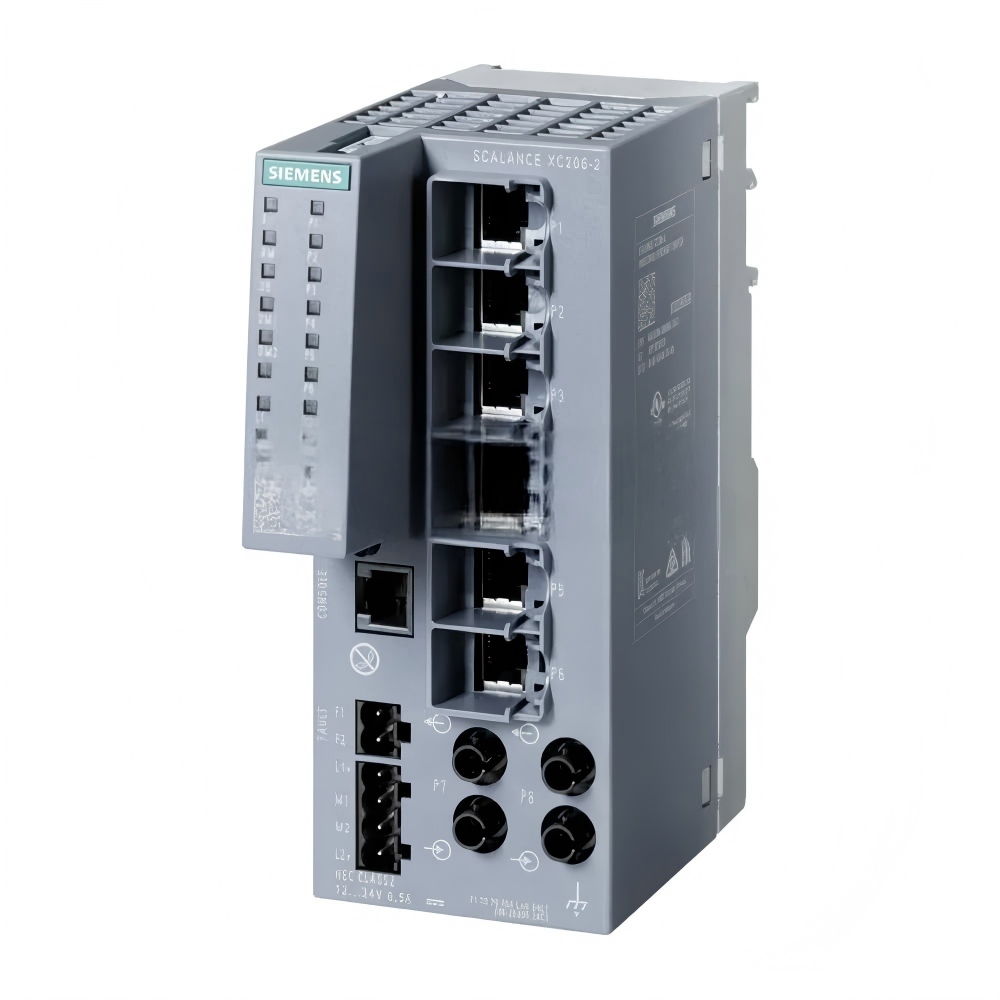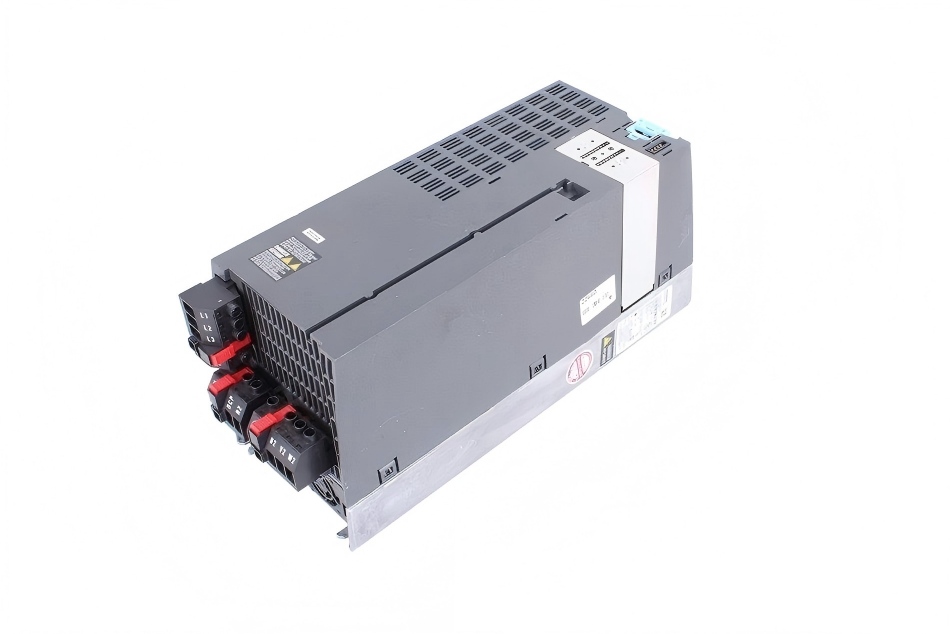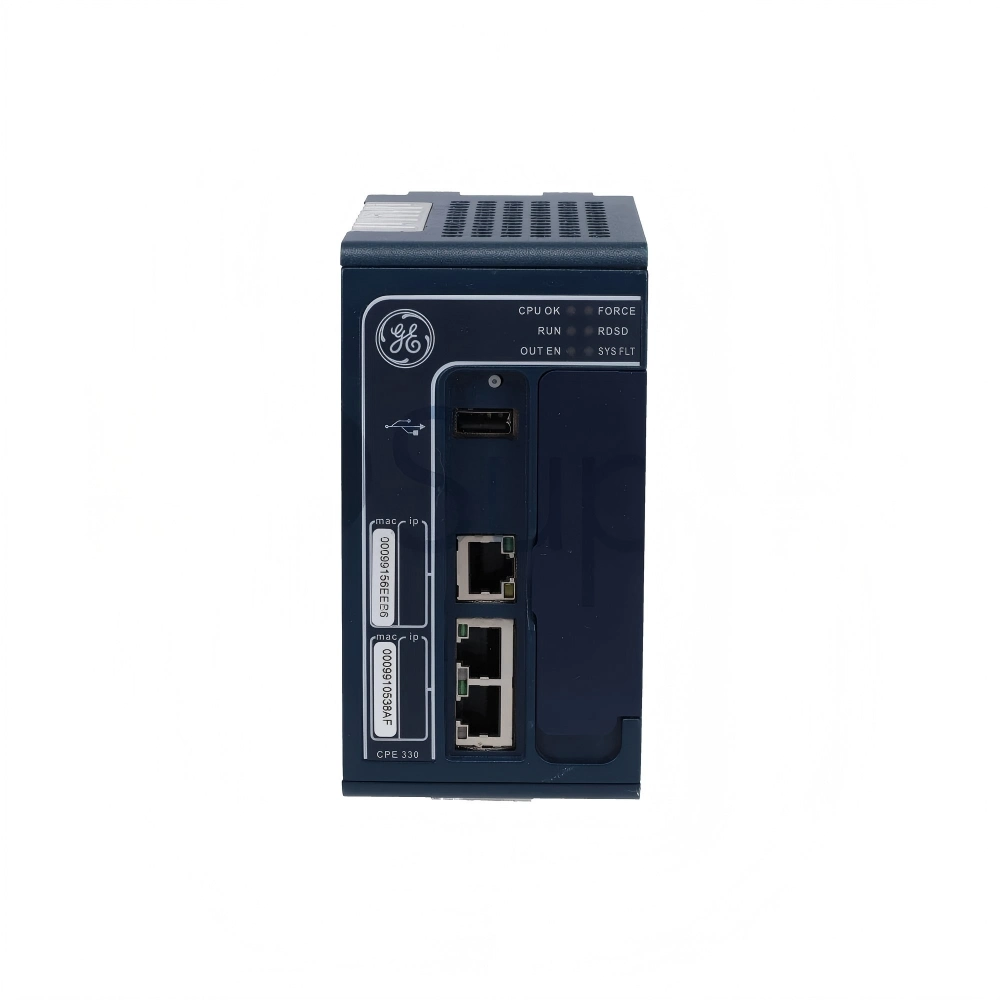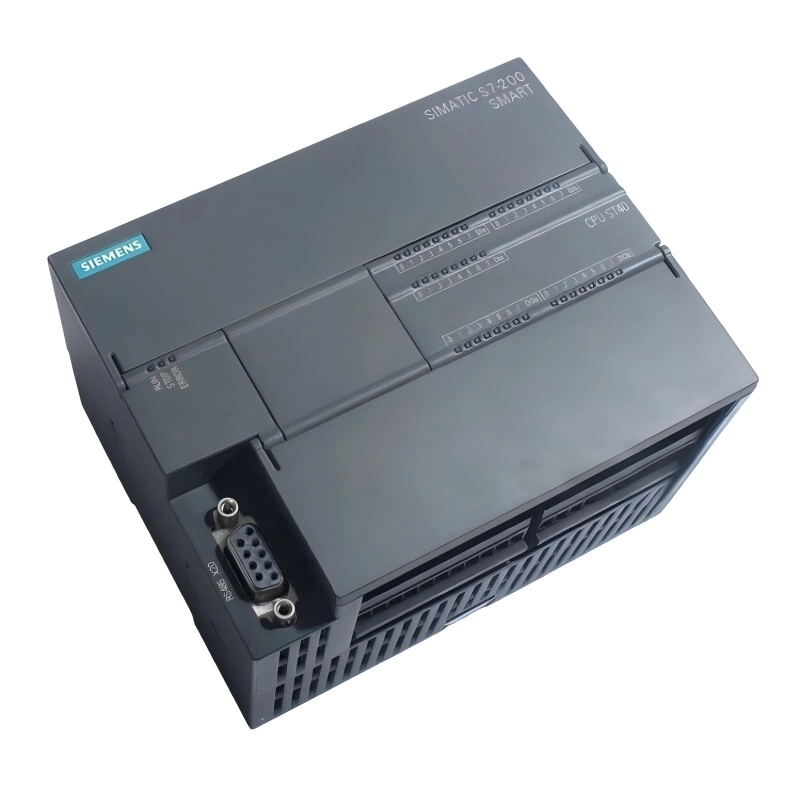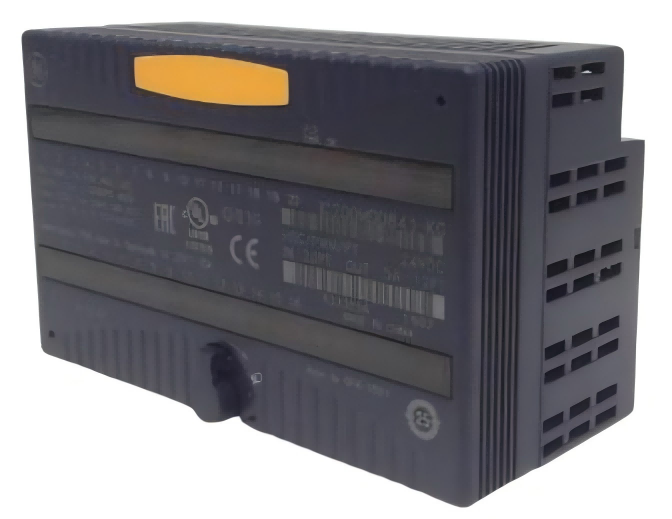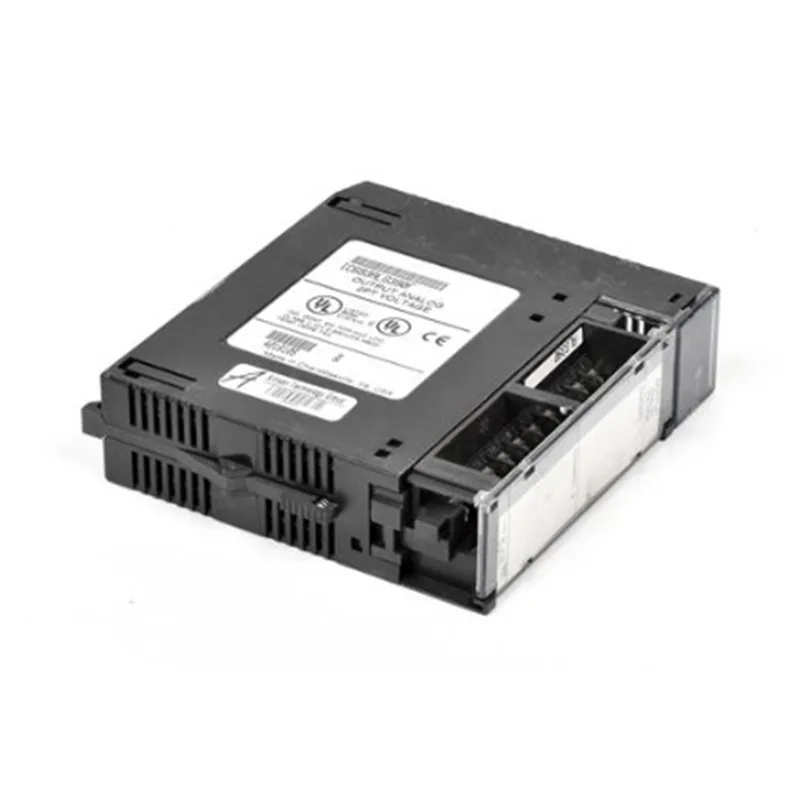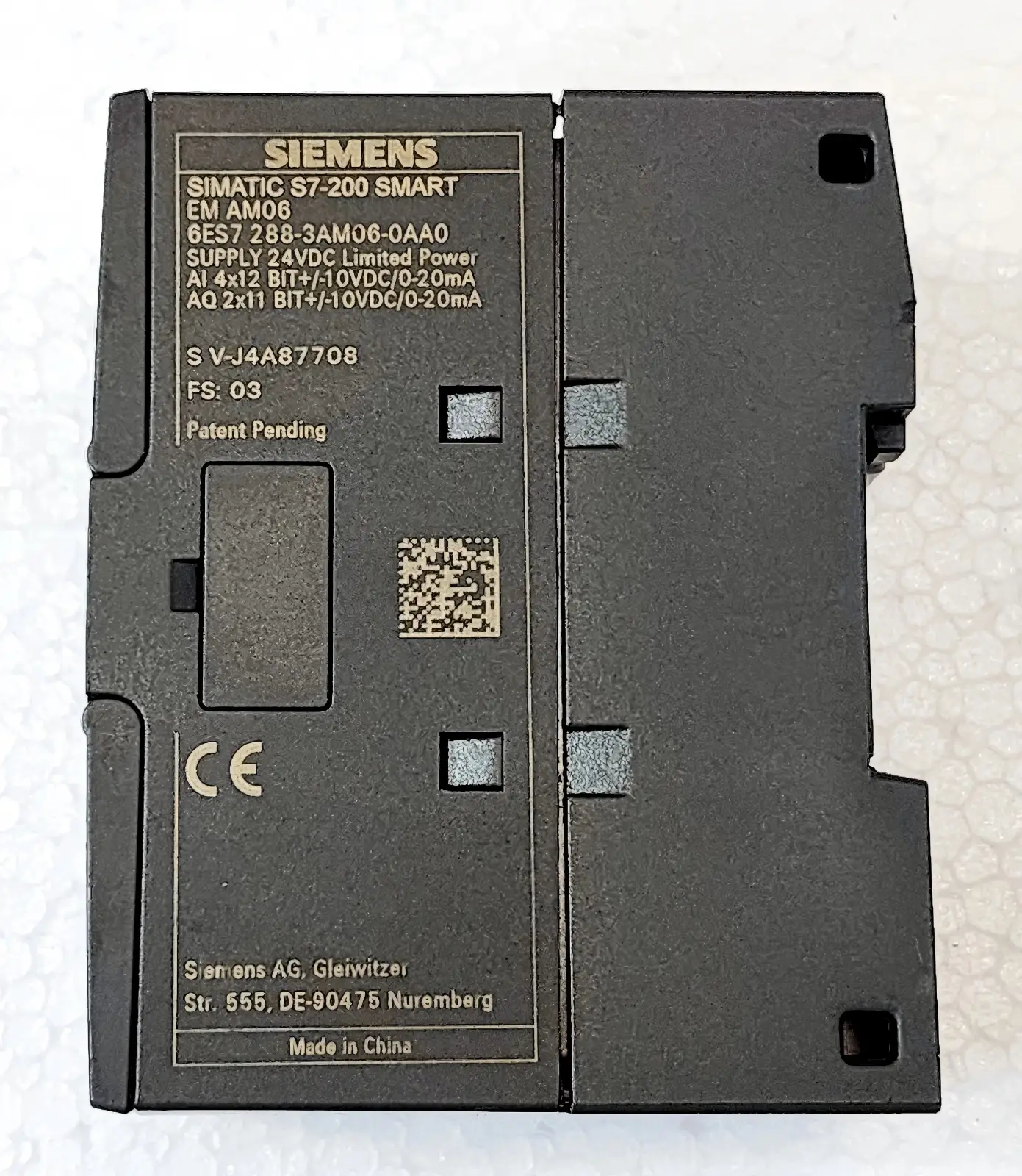
Integrating GE PLC into smart factory operations has become a cornerstone for modern industrial automation. In our factory, we have observed that using GE PLC not only streamlines production processes but also enhances real-time data acquisition, predictive maintenance, and energy efficiency. Quanzhou Xinyuan Technology Co., Ltd. has been supplying advanced GE PLC solutions tailored for factories seeking high reliability and scalable automation. Our engineers focus on ensuring that each GE PLC is compatible with existing systems while providing the flexibility needed for future upgrades.

GE PLC systems are designed to execute precise control of production lines, which minimizes human error and improves operational consistency. In our experience, deploying GE PLC in combination with our monitoring software allows operators to adjust process parameters dynamically. This capability ensures that production targets are met without compromising quality. Our factory performs extensive testing to verify that each GE PLC maintains accurate control over multiple I/O modules, ensuring smooth integration with existing equipment and sensors.
The following table illustrates typical GE PLC modules and their core specifications, helping users understand which models best fit different automation tasks.
| Model | Input/Output Capacity | Processing Speed | Recommended Application |
| GE PLC Series A | 128 I/O | 1.5 ms per instruction | Small to medium-scale automation |
| GE PLC Series B | 256 I/O | 1 ms per instruction | High-precision process control |
| GE PLC Series C | 512 I/O | 0.8 ms per instruction | Complex manufacturing lines |
One of the key benefits of GE PLC integration is its ability to gather real-time data from production equipment. Our monitoring systems work closely with GE PLC to collect operational parameters, detect anomalies, and generate actionable insights. Quanzhou Xinyuan Technology Co., Ltd. emphasizes configuring data logging intervals and alarm thresholds so that operators can respond proactively to potential downtime. In our experience, this reduces unplanned stoppages and allows for predictive maintenance scheduling.
Data collected by GE PLC can be analyzed for trends in throughput, energy usage, and machine performance. When our engineers set up smart factory dashboards, GE PLC feeds ensure that metrics are accurate and updated in real time. Our factory continuously validates these readings against benchmark processes to maintain operational reliability.
GE PLC integration enables predictive maintenance by tracking vibration, temperature, and pressure data from critical machinery. Our factory integrates this information into maintenance algorithms that anticipate component wear and schedule timely interventions. Quanzhou Xinyuan Technology Co., Ltd. provides guidance on configuring GE PLC sensors and software parameters to maximize predictive accuracy. Our engineers have observed that implementing predictive maintenance through GE PLC significantly lowers emergency repairs and extends equipment life.
Moreover, GE PLC allows for centralized monitoring of multiple production units. This centralized approach helps our operators detect subtle performance deviations before they escalate into major failures. Using GE PLC in combination with our factory’s control protocols ensures that alerts are actionable, and corrective measures are implemented efficiently.
Energy efficiency is a major concern in smart factories. GE PLC systems help optimize energy consumption by controlling machine startup sequences, motor speeds, and load distribution. Our factory configures GE PLC to collect power consumption data for each unit, which allows operators to identify inefficiencies. When coupled with our energy management software, GE PLC enables automated adjustments to reduce energy waste and maintain stable production output.
The table below shows typical energy control configurations available with GE PLC modules, offering a reference for users looking to improve sustainability and operational efficiency.
| Module | Control Capability | Monitoring Feature | Best Use Case |
| Series A | Basic load sequencing | Energy logging | Small workshops or pilot lines |
| Series B | Motor speed control | Real-time consumption analysis | Medium-scale production |
| Series C | Full energy optimization | Predictive power management | Large-scale manufacturing plants |
GE PLC modules are designed to communicate seamlessly with MES and SCADA platforms, ensuring that production data is consistent across the factory network. Our factory implements communication protocols such as Modbus and Ethernet/IP to link GE PLC with higher-level management systems. Using GE PLC in this way allows our operators to automate reporting, maintain traceability, and quickly adjust production schedules according to real-time information. This integration contributes directly to overall smart factory performance.
With GE PLC, we can map input and output signals to MES dashboards, enabling centralized monitoring and historical data analysis. Quanzhou Xinyuan Technology Co., Ltd. ensures that the integration process considers network latency, signal redundancy, and security, which helps maintain a reliable and resilient automation network.
How does GE PLC contribute to reducing machine downtime?
GE PLC collects and processes real-time data from machines, which allows operators to anticipate maintenance needs. Our factory configures alarms and thresholds so that corrective action can be taken before failure occurs, minimizing unscheduled downtime and improving overall equipment efficiency.
Why is GE PLC important for energy optimization in smart factories?
GE PLC controls motor speeds, load distribution, and startup sequences, which directly impacts energy consumption. Our engineers monitor these parameters through dashboards and adjust the system automatically to reduce waste, ensuring stable production while lowering operational costs.
What role does GE PLC play in data integration and production traceability?
GE PLC communicates with MES and SCADA systems to provide centralized data for monitoring, reporting, and historical analysis. Our factory uses this integration to maintain accurate records of production events and streamline workflow management, improving overall factory performance.
Integrating GE PLC into a smart factory environment offers multiple advantages, including enhanced process control, real-time monitoring, predictive maintenance, energy efficiency, and seamless system integration. Quanzhou Xinyuan Technology Co., Ltd. leverages our expertise to ensure that each GE PLC deployment meets the specific operational requirements of modern industrial facilities. Our factory is committed to providing reliable solutions that increase efficiency and reduce costs. For professional guidance on selecting, configuring, or upgrading GE PLC systems, contact our technical team today and let us help you optimize your smart factory performance.