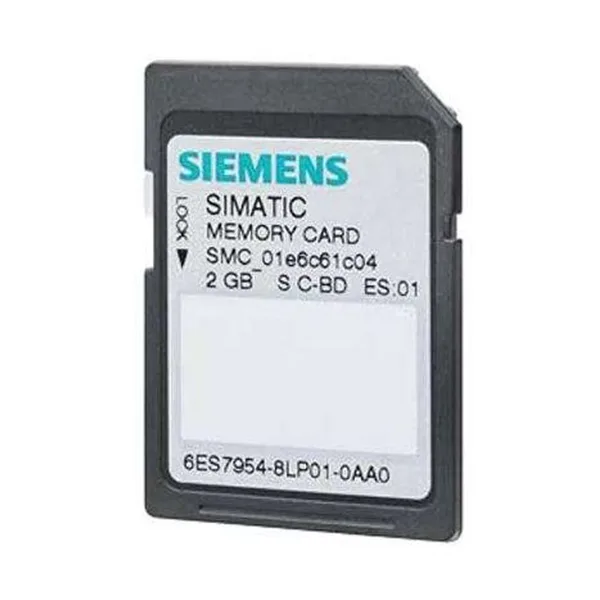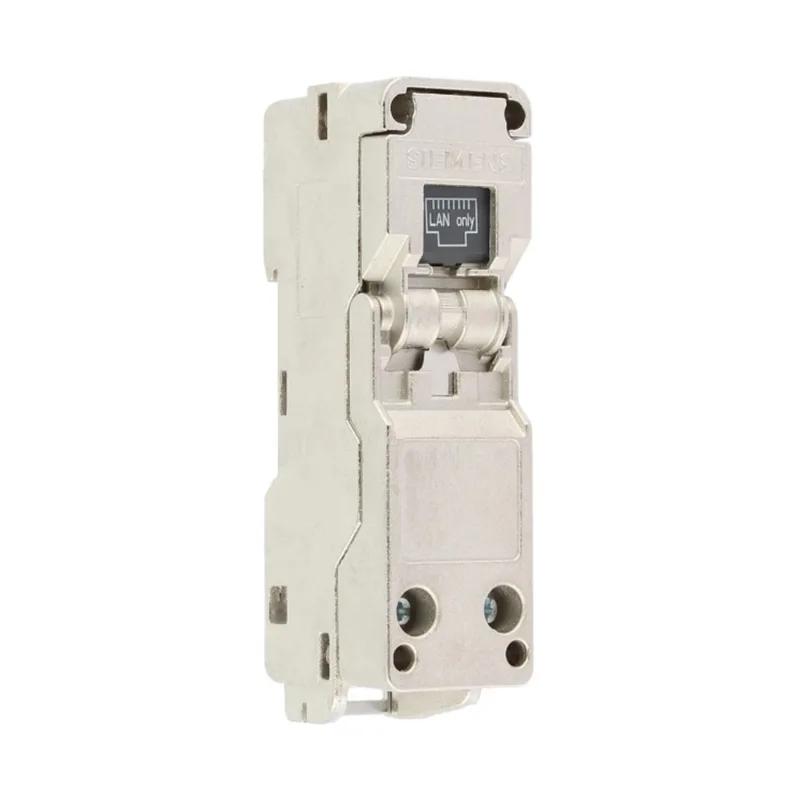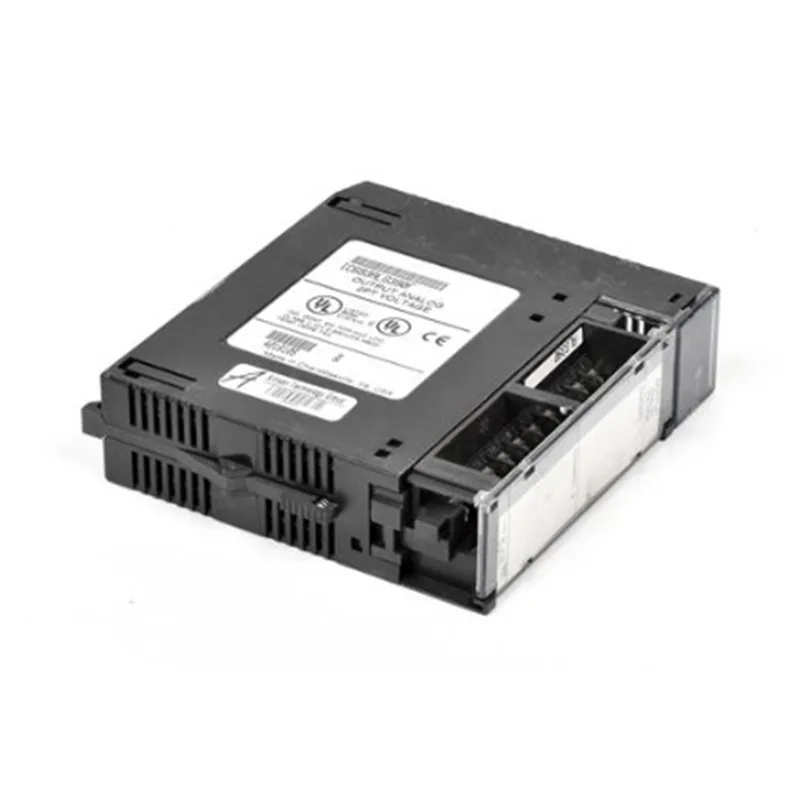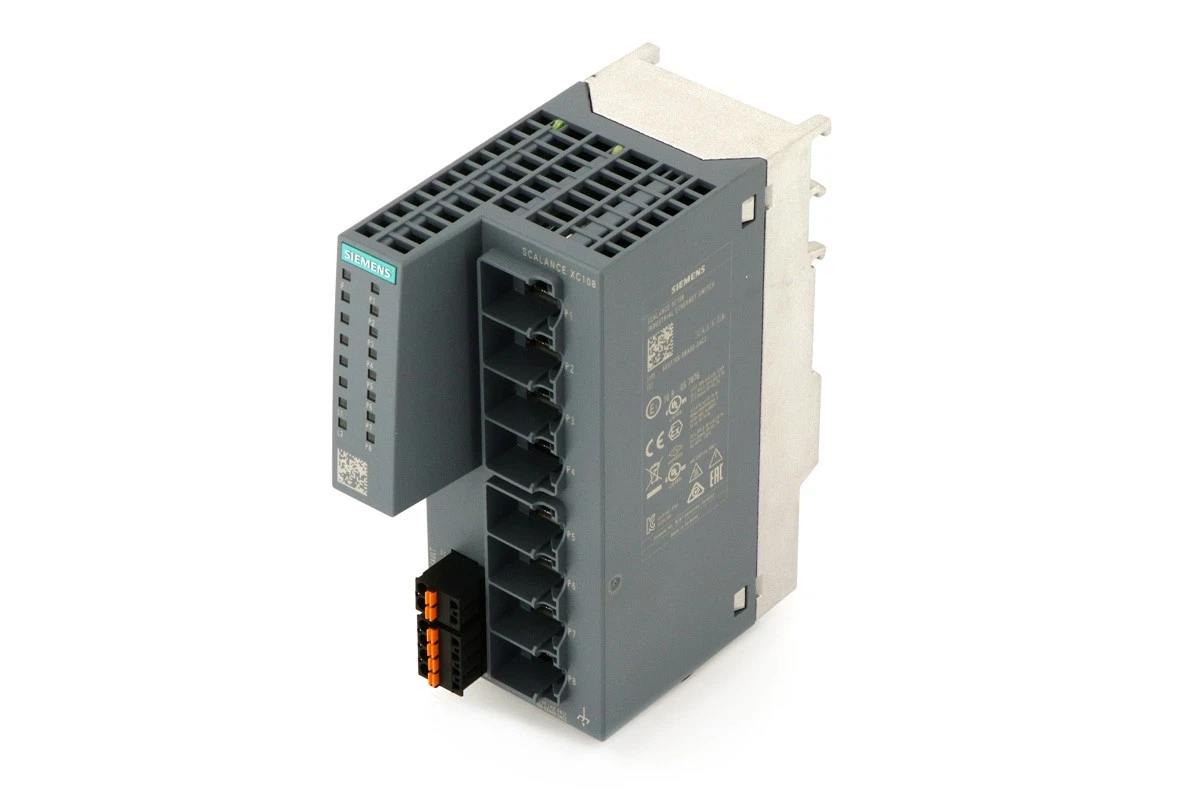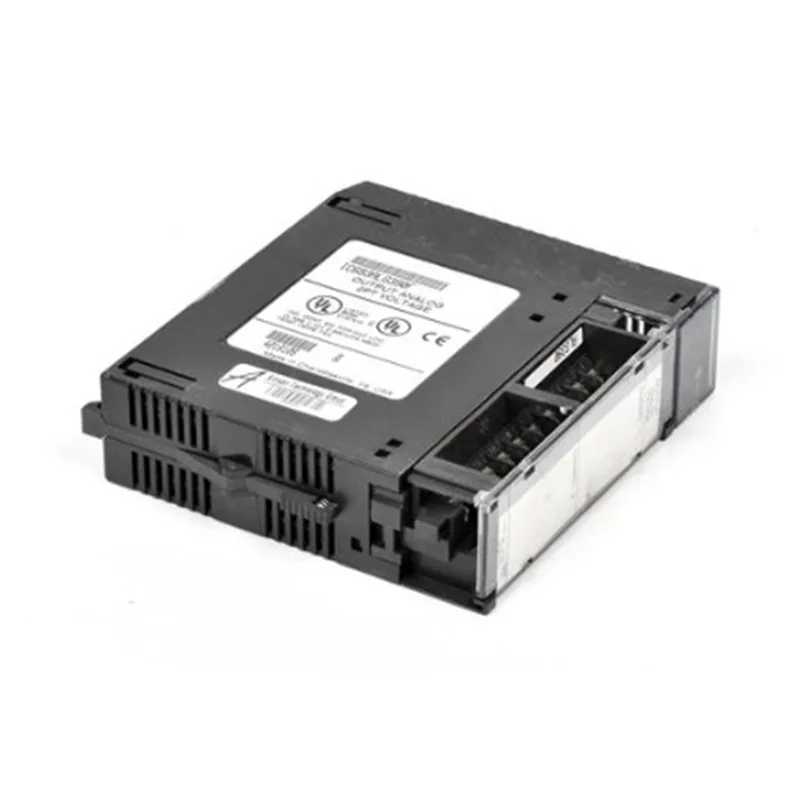
In industrial automation, downtime is rarely caused by one dramatic failure. More often, it comes from small control issues that build up quietly: unstable signals, aging modules, slow troubleshooting, mismatched spare parts, or unclear system expansion plans. A well-selected GE PLC can help factories reduce these risks by providing stable logic control, flexible communication, scalable I/O structure, and dependable performance for production lines that cannot afford unnecessary stops.
This article explains how engineers, maintenance teams, purchasing managers, and plant owners can evaluate GE PLC solutions from a practical point of view. Instead of only looking at part numbers, we will focus on real pain points: equipment reliability, replacement planning, compatibility, maintenance efficiency, and long-term automation value. Quanzhou Xinyuan Technology Co., Ltd. is included as a sourcing reference for companies looking for GE PLC products and industrial automation components.
A GE PLC is more than a controller inside an electrical cabinet. For many factories, it becomes the central decision-making unit that keeps machines running in the right sequence, protects equipment from unsafe actions, and allows operators to monitor production conditions more clearly. Choosing the right GE PLC can help reduce downtime, simplify troubleshooting, support future expansion, and improve the consistency of industrial processes. The key is not only buying a controller, but matching the controller, I/O modules, communication requirements, spare parts strategy, and technical support to the actual working environment.
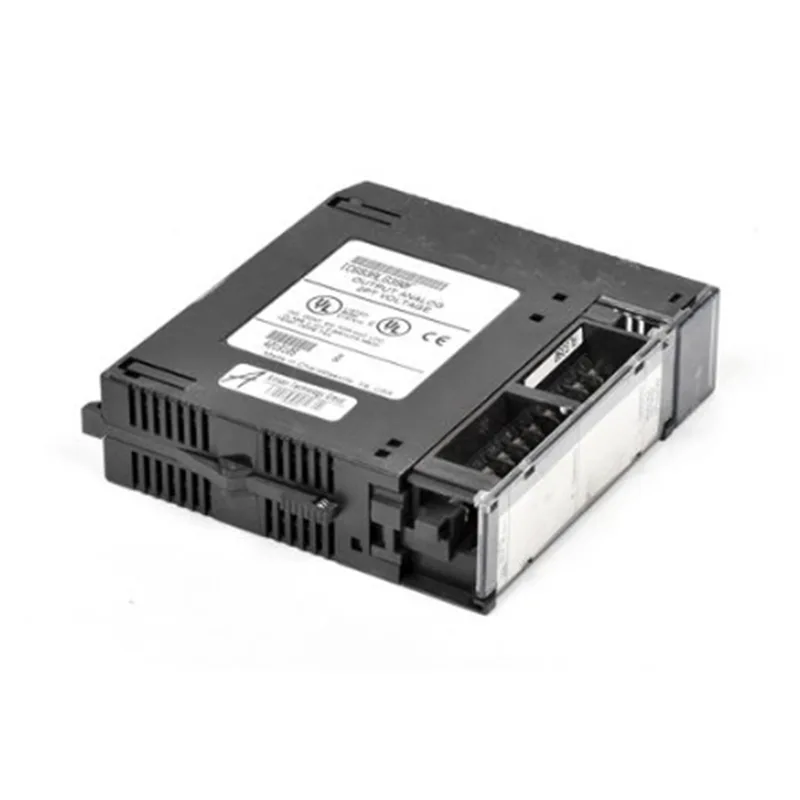
Reliability is the first concern for any automation controller because the PLC is connected to almost every critical movement inside a machine or production line. When the controller works correctly, motors start at the right moment, sensors report accurate conditions, valves open and close as expected, alarms appear before danger expands, and operators can trust the process. When the controller becomes unstable, the whole system becomes unpredictable.
In many plants, the real cost of PLC failure is not the price of the module itself. The real cost comes from stopped production, wasted materials, emergency labor, delayed delivery, and the pressure placed on maintenance teams. A short stop on a simple machine may be manageable. But a stop on a continuous production line, packaging system, water treatment facility, power-related process, or heavy manufacturing operation can quickly become expensive.
A GE PLC is often selected for industrial environments where stable performance, modular configuration, and long-term serviceability are important. For buyers, this means the decision should not be based only on the lowest quotation. A better question is whether the selected GE PLC can keep the system running safely, whether replacement parts can be sourced when needed, and whether the supplier understands the technical details behind the model.
Automation pain points usually appear in ordinary daily work. Operators may report that a machine stops randomly. Maintenance engineers may find that signal feedback is inconsistent. Purchasing teams may struggle to locate compatible modules for an existing system. Plant managers may want to upgrade production visibility but cannot replace every cabinet at once. In these situations, a GE PLC can become part of a practical improvement plan.
The value of a GE PLC is therefore not limited to control execution. It also supports a more disciplined production environment where equipment data, alarm response, maintenance planning, and future upgrades can be managed with greater confidence.
A common purchasing mistake is to treat PLC sourcing as a simple model-number transaction. Model number matters, of course, but it is only the starting point. Before buying a GE PLC, the buyer should confirm the technical and operational conditions around the controller. This prevents wrong purchases, installation delays, and repeated communication after the order is placed.
The first factor is system compatibility. Buyers should check whether the required GE PLC module belongs to an existing platform, whether it is intended for replacement, expansion, repair, or new project installation, and whether the current rack, power supply, communication interface, and software environment can support it. For repair projects, even a small mismatch can create costly delays.
The second factor is I/O demand. A control system must read input signals and control output devices accurately. Buyers need to know whether they require digital input, digital output, analog input, analog output, relay output, high-speed counting, motion-related modules, or communication modules. It is also important to reserve capacity for future changes, because a production line rarely stays exactly the same forever.
The third factor is the working environment. Temperature, vibration, electrical noise, cabinet layout, grounding quality, and field wiring condition can all affect PLC performance. A strong controller placed in a poorly maintained cabinet may still suffer from repeated failures. This is why PLC selection and cabinet maintenance should be considered together.
The fourth factor is supplier communication. A responsible supplier should not only quote quickly, but also understand what the buyer is trying to solve. When a buyer asks for GE PLC products, the supplier should be able to discuss model confirmation, stock status, replacement logic, packaging, delivery, and after-sales coordination. This is especially important when the controller is needed for urgent maintenance.
Many factories want smarter production, but not every factory can replace its entire control system at once. Full modernization may require large investment, long downtime, operator training, and risk evaluation. In reality, many plants prefer staged improvement. A GE PLC can support this approach when it is used to strengthen existing control architecture, improve machine communication, and prepare the plant for better monitoring.
For example, a factory may begin by stabilizing one high-risk machine. Once the control cabinet becomes more reliable, the plant may add better HMI display, improve alarm classification, or connect selected production data to a supervisory layer. This step-by-step path is often more realistic than a dramatic one-time rebuild. It allows the team to protect production while still moving toward better automation.
GE PLC integration can also help maintenance teams standardize their work. When spare parts, documentation, control logic, wiring labels, and troubleshooting procedures become clearer, the factory becomes less dependent on one experienced engineer. That matters because industrial knowledge is often carried by people, and people change roles, retire, or leave. A well-documented PLC system protects the plant from knowledge loss.
Another advantage is process consistency. Manual operation can vary from shift to shift, but PLC-controlled sequences can repeat the same actions with stable timing and defined logic. This can improve product consistency, reduce operator burden, and make abnormal conditions easier to identify. For industries that care about repeatability, this is one of the strongest reasons to invest in a dependable GE PLC system.
Even a reliable GE PLC needs a healthy operating environment. Maintenance is not only something to do after a fault appears. It should be a regular habit that keeps the system clean, organized, and predictable. Many PLC issues begin outside the PLC itself, such as loose terminals, poor grounding, damaged cables, cabinet overheating, unstable power supply, or field device problems.
A practical maintenance culture makes the GE PLC system easier to manage over its full service life. It also helps purchasing teams plan spare parts more intelligently. Instead of buying parts only after a breakdown, the plant can identify critical modules and prepare replacements before urgent failure occurs.
The following table gives buyers a clearer way to evaluate GE PLC sourcing needs. It is not a substitute for technical confirmation, but it can help organize the first round of communication between the buyer, engineer, and supplier.
| Buyer Concern | What to Check | Why It Matters |
|---|---|---|
| Replacement accuracy | Full model number, series, rack position, existing system condition | Prevents wrong module purchase and reduces restart delay |
| System expansion | Available I/O slots, power capacity, communication requirements | Supports future sensors, actuators, and monitoring points |
| Downtime reduction | Critical spare parts, program backup, supplier response speed | Helps restore production faster during urgent maintenance |
| Signal reliability | Input type, output type, analog range, wiring condition | Improves control accuracy and reduces false alarms |
| Long-term service | Documentation, after-sales support, replacement availability | Protects equipment value and simplifies future maintenance |
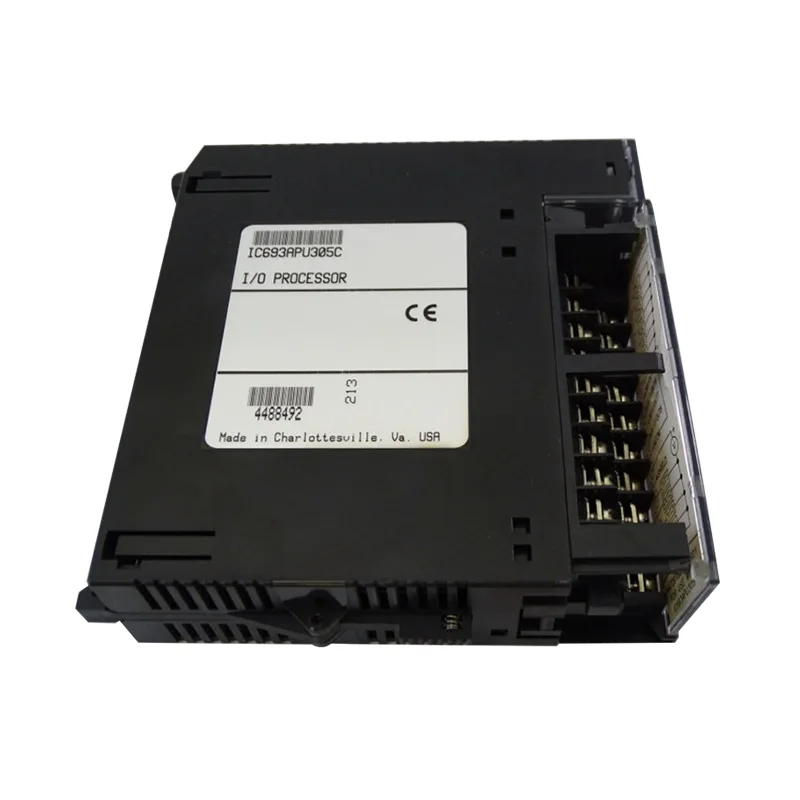
Industrial buyers often focus on the product first, but supplier support can decide whether the buying experience is smooth or frustrating. A GE PLC may be needed for a planned upgrade, but it may also be needed because a production line is already stopped. In urgent situations, slow replies, unclear stock information, or poor model confirmation can make the problem worse.
A good supplier should help the buyer reduce uncertainty. This includes confirming the model carefully, understanding whether the item is used for replacement or expansion, communicating delivery expectations clearly, and supporting after-sales questions when needed. For international buyers, packaging, export communication, and quick response are also important parts of the overall value.
Quanzhou Xinyuan Technology Co., Ltd. serves buyers looking for industrial automation products, including GE PLC-related components. For factories, system integrators, and maintenance teams, the ideal sourcing process should feel organized rather than rushed. The buyer should be able to explain the application, share the required model, confirm technical details, and receive practical communication before making a decision.
This is especially useful for older systems. Many factories continue to operate reliable equipment for years, but they need suitable modules to keep those systems alive. In such cases, a supplier with automation product experience can help buyers avoid unnecessary system replacement and keep production running with a more controlled budget.
Q1: Is a GE PLC suitable for both replacement and new automation projects?
Yes. A GE PLC can be used in replacement, repair, expansion, and new control projects, depending on the system platform and technical requirements. Buyers should confirm the full model number and application before ordering.
Q2: Do I need to replace the whole system if one GE PLC module fails?
Not always. In many cases, replacing the correct module can restore system operation. However, the final decision depends on the age of the system, availability of compatible parts, program backup, and the condition of other control components.
Q3: What information should I provide when asking for a GE PLC quotation?
You should provide the full model number, quantity, application, photos of the existing module if available, required delivery time, and whether the item is for emergency repair or planned stock.
Q4: Why is program backup important for PLC maintenance?
A backup helps engineers restore the control system more quickly after module replacement or hardware failure. Without a backup, recovery can become slower and more expensive.
Q5: Can a GE PLC help reduce production downtime?
Yes, when the PLC is correctly selected, installed, documented, and maintained. The controller itself is important, but downtime reduction also depends on spare parts planning, wiring quality, power stability, and technician readiness.
Q6: How should I choose a supplier for GE PLC products?
Choose a supplier that communicates clearly, checks model details carefully, understands industrial automation applications, and provides practical support before and after the order.
A GE PLC can improve industrial automation reliability by giving machines a stable control foundation, supporting organized troubleshooting, helping plants manage expansion, and reducing the uncertainty that often comes with maintenance work. For buyers, the strongest results come from looking beyond the model number. The right decision should consider compatibility, I/O needs, communication requirements, working environment, spare parts strategy, and supplier support.
In a factory, reliability is not built by one component alone. It is built through correct selection, clean installation, disciplined maintenance, clear documentation, and responsive sourcing. When these elements work together, a GE PLC can help production teams avoid unnecessary downtime and keep equipment operating with greater confidence.
If you are looking for GE PLC products for replacement, maintenance, or industrial automation projects, Quanzhou Xinyuan Technology Co., Ltd. can help you confirm suitable models and support your sourcing needs. For product details, quotation assistance, or technical communication, please contact us today.