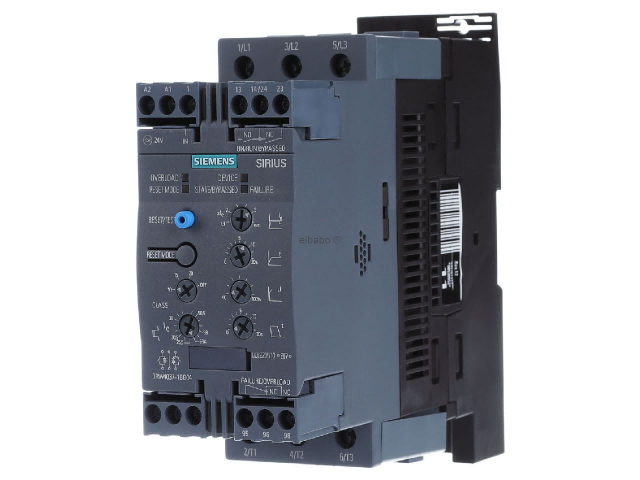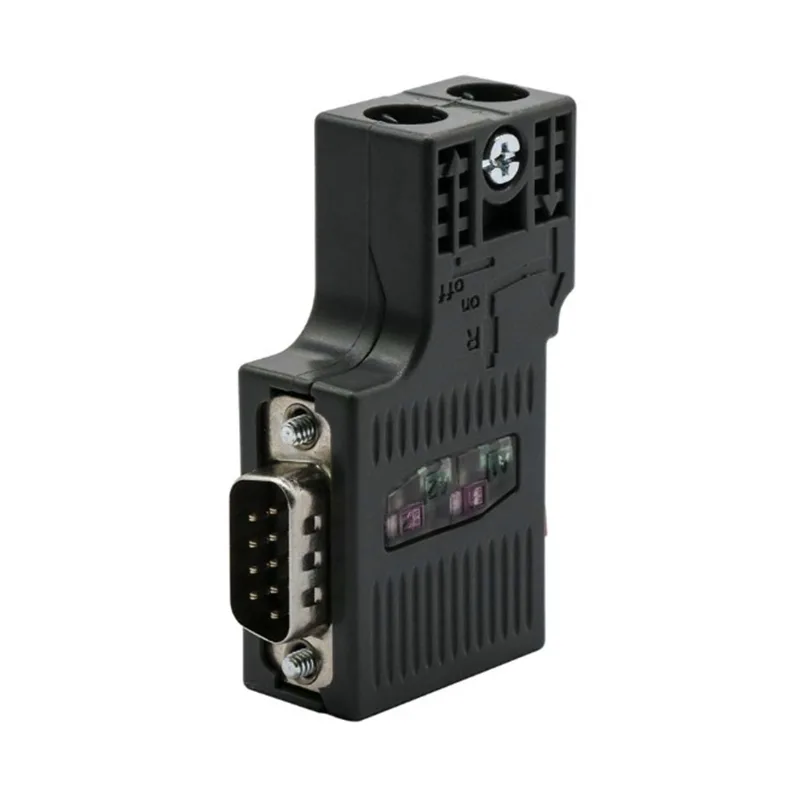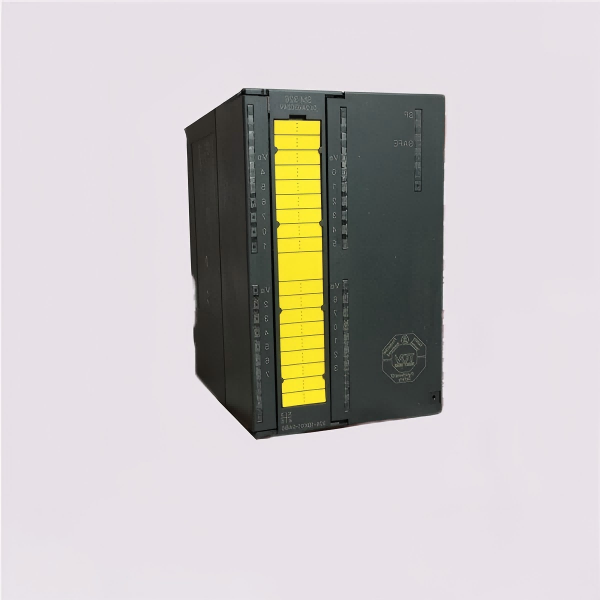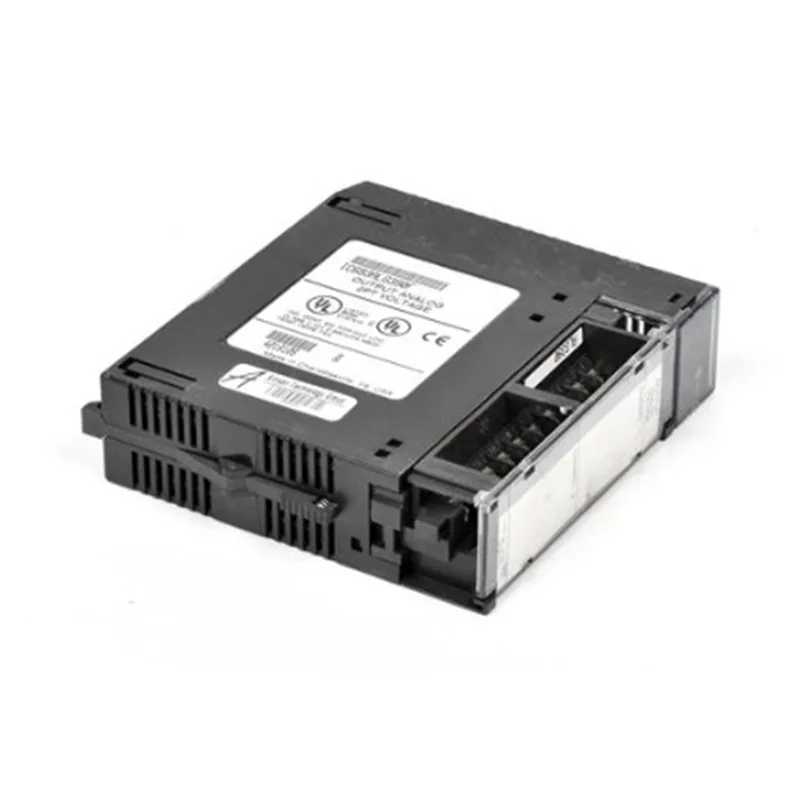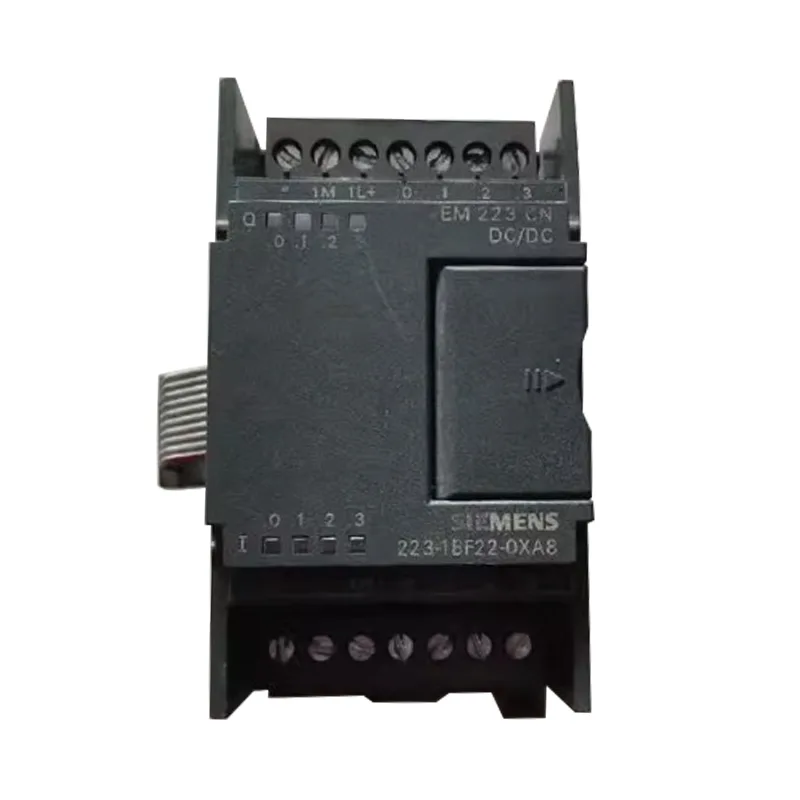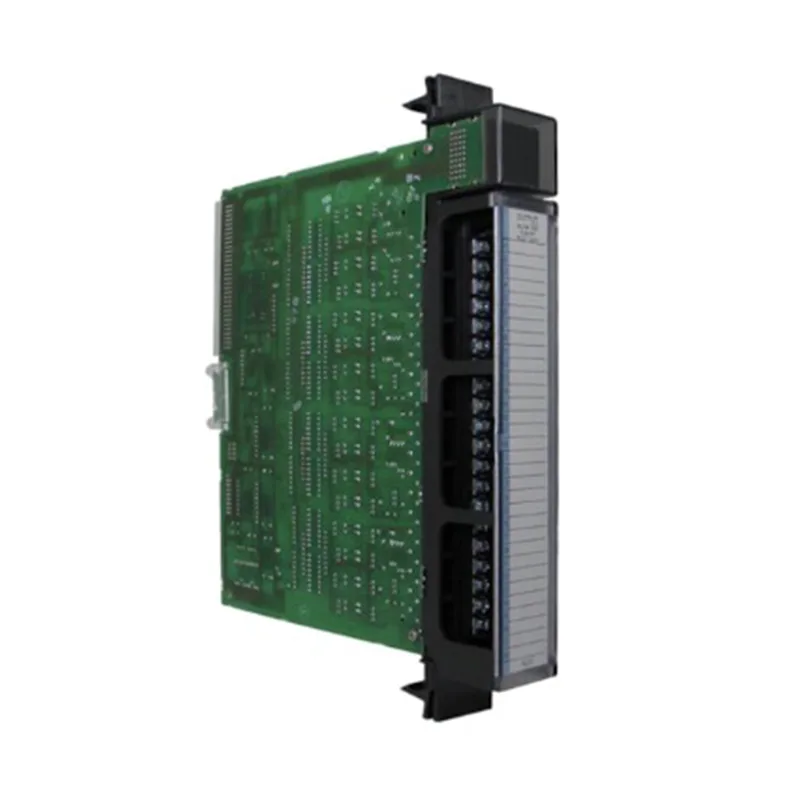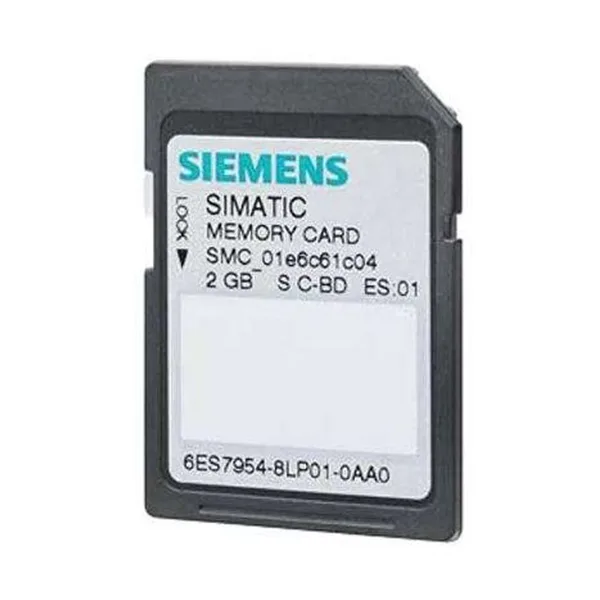
Article Summary
Choosing the right automation controller is rarely just a technical decision. It affects commissioning speed, system stability, future upgrades, troubleshooting efficiency, and even how confidently a plant can scale production. In this article, I explore how Siemens PLC solutions can help manufacturers solve common control problems without creating new layers of complexity. I also explain what buyers should evaluate before purchase, where implementation risks usually appear, and how a dependable supplier such as Quanzhou Xinyuan Technology Co., Ltd. can support smoother project execution from selection to delivery.

When I talk to buyers, maintenance engineers, and project teams, the same frustrations come up again and again. The problem is not simply finding a controller with enough I/O points or sufficient processing capacity. The real problem is finding a solution that remains manageable after installation.
Many customers start with a narrow question such as “What is the price?” or “Is this model available now?” But after the first discussion, larger concerns appear. Will the controller integrate with the existing line? Will the staff understand the programming environment? Will spare parts be available months later? Will expansion force a full redesign? These are the issues that quietly decide whether a project runs smoothly or becomes a long series of workarounds.
This is exactly where a well-chosen Siemens PLC can make a difference. It is not only about control. It is about building a more stable operating rhythm for the plant.
There is a reason Siemens PLC continues to appear in factories, food processing plants, pharmaceutical workshops, automotive lines, and general industrial automation projects. Buyers are usually looking for three things at once: reliability, flexibility, and familiarity. Siemens platforms are often considered attractive because they balance those needs rather than forcing users to sacrifice one for another.
In practical terms, that means a controller should do more than switch outputs or read signals. It should support stable process logic, clear diagnostics, communication with surrounding equipment, and future modifications without turning every minor update into a costly engineering task.
| Buyer Concern | What They Usually Need | How Siemens PLC Helps |
|---|---|---|
| Production continuity | Stable operation under real factory conditions | Supports dependable control for machines, motors, conveyors, and process logic |
| System flexibility | Easy adjustment when capacity or process changes | Modular thinking makes scaling and adaptation more practical |
| Troubleshooting speed | Clearer diagnostics and simpler maintenance | Helps teams identify issues faster and reduce downtime pressure |
| Integration | Communication with industrial automation systems | Works well in broader automation environments with multiple devices |
| Future planning | A controller that does not become a dead end too quickly | Suitable for phased upgrades instead of immediate full replacement |
I think that is why buyers often return to this category even after comparing alternatives. They are not always chasing the most complicated feature list. More often, they want the safest route to reliable operation.
A practical truth: the best controller is not the one with the longest datasheet. It is the one your team can deploy, maintain, and expand with confidence.
Not every production environment has the same control demands, so it helps to think in application terms rather than product slogans. A Siemens PLC is often selected when a plant needs consistent control across equipment and processes that must remain coordinated under changing operating conditions.
Typical applications include:
For example, a food processing line may value repeatability and hygiene-driven process control. A pharmaceutical facility may care more about monitoring consistency and traceable operation. An automotive workshop may prioritize fast cycle logic and dependable equipment coordination. The hardware category is the same, but the buying logic is different in each case.
That is why I never like one-size-fits-all recommendations. A controller choice only becomes meaningful when it is tied to the job it actually needs to do.
This is the step where many buyers either save the project or quietly make it harder than it needs to be. Choosing the right Siemens PLC means evaluating the whole control picture, not just the model number that seems familiar.
I usually suggest checking the following points in order:
| Selection Question | Why It Matters |
|---|---|
| How many inputs and outputs are needed now? | Prevents under-sizing at the start of the project |
| Will the line expand later? | Helps avoid expensive redesign during scale-up |
| What devices must communicate with the PLC? | Reduces integration risk during commissioning |
| How urgent is delivery? | Affects whether stock availability should guide the choice |
| Who will maintain the system? | Improves long-term usability after installation |
Once you frame the decision this way, the buying process becomes much more rational. You stop buying a name and start buying fit.
Even experienced purchasing teams can fall into predictable traps. The pressure to move fast sometimes pushes people toward decisions that look efficient in the short term but create friction later.
The most common mistakes I see are these:
What makes these mistakes dangerous is that they often do not show up on the purchase order. They show up weeks later during integration, startup, maintenance, or unexpected downtime.

This part gets underestimated all the time. A strong Siemens PLC solution is not only about the controller itself. It also depends on whether your supplier can respond with the speed, clarity, and consistency your project requires.
That is why companies often prefer working with suppliers that can support urgent delivery, maintain usable stock, and understand how industrial buyers think. In many real purchasing situations, the question is not “Can this PLC work?” but “Can we get the right PLC, at the right time, with fewer project risks?”
Quanzhou Xinyuan Technology Co., Ltd. can be introduced naturally here because buyers often look for exactly this type of support: accessible supply, broad model availability, practical service, and solutions that fit multiple industrial applications. When a supplier can coordinate inventory, respond quickly, and support transport by different logistics channels, it directly reduces procurement stress.
That matters even more when you are dealing with:
A good supplier does not just ship a box. A good supplier helps remove friction from the whole project chain.
FAQ
Is Siemens PLC suitable for both new projects and retrofit work?
Yes. It is commonly considered for both scenarios because many industrial users need a controller that can fit into an existing automation environment while still supporting future upgrades.
What should I confirm before buying Siemens PLC for a production line?
You should confirm I/O requirements, communication needs, installation environment, delivery urgency, and whether the line may expand later.
Why do stock availability and logistics matter so much?
Because in real industrial projects, delays can cost far more than the controller itself. When a replacement part is urgent, inventory and shipping flexibility become critical.
Can Siemens PLC help reduce downtime?
It can contribute to more stable control, better diagnostics, and more manageable maintenance when selected and integrated properly.
Should I buy only based on the lowest price?
No. The better decision usually considers reliability, support, compatibility, and long-term operating value rather than the unit price alone.
How do I know whether a supplier is trustworthy?
Look at responsiveness, stock support, communication quality, application understanding, and whether the supplier can help you move from inquiry to delivery without confusion.
If you are evaluating Siemens PLC for your facility, I would not start with the catalog alone. I would start with the process problem you need to solve. Once you know what the line must do, what risks must be reduced, and how quickly the project must move, the right choice becomes much clearer.
The real value of a well-matched controller is not just automation. It is continuity, flexibility, and confidence. That is what buyers are really paying for. And when those priorities are supported by a responsive supplier such as Quanzhou Xinyuan Technology Co., Ltd., the entire purchase becomes more practical and more secure.
If you are looking for a dependable source for Siemens PLC products and want support that aligns with real industrial purchasing needs, now is the right time to review your options carefully. For model selection, stock inquiries, and project-oriented supply support, contact us and let us help you find a more efficient path from inquiry to installation.