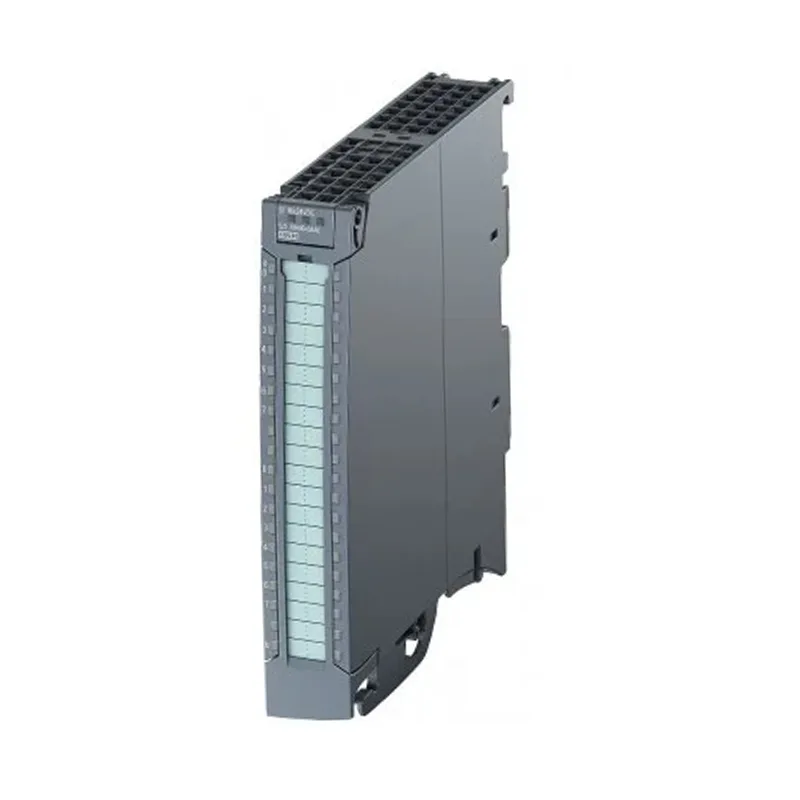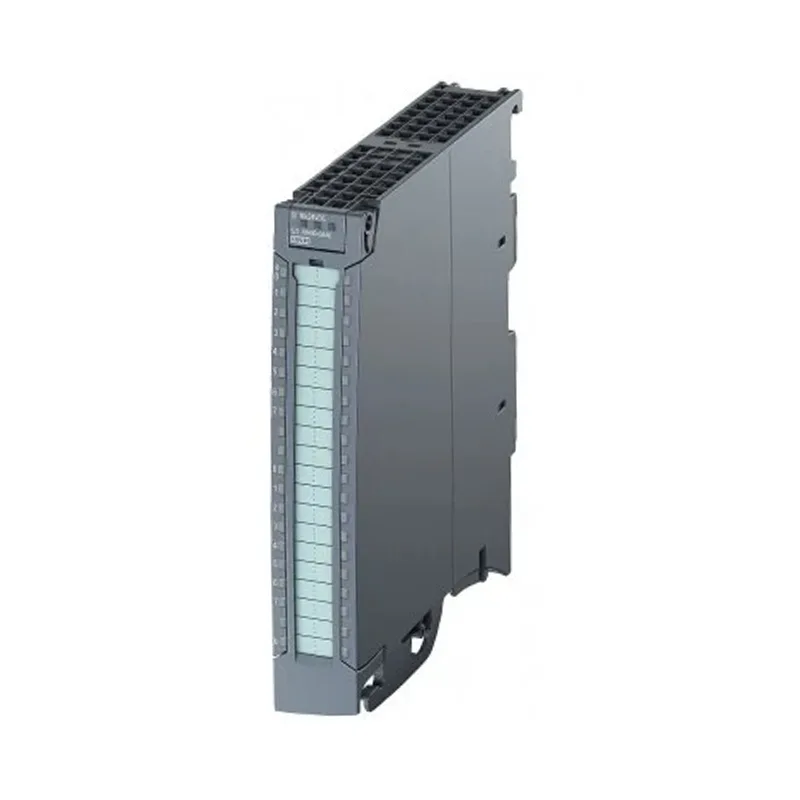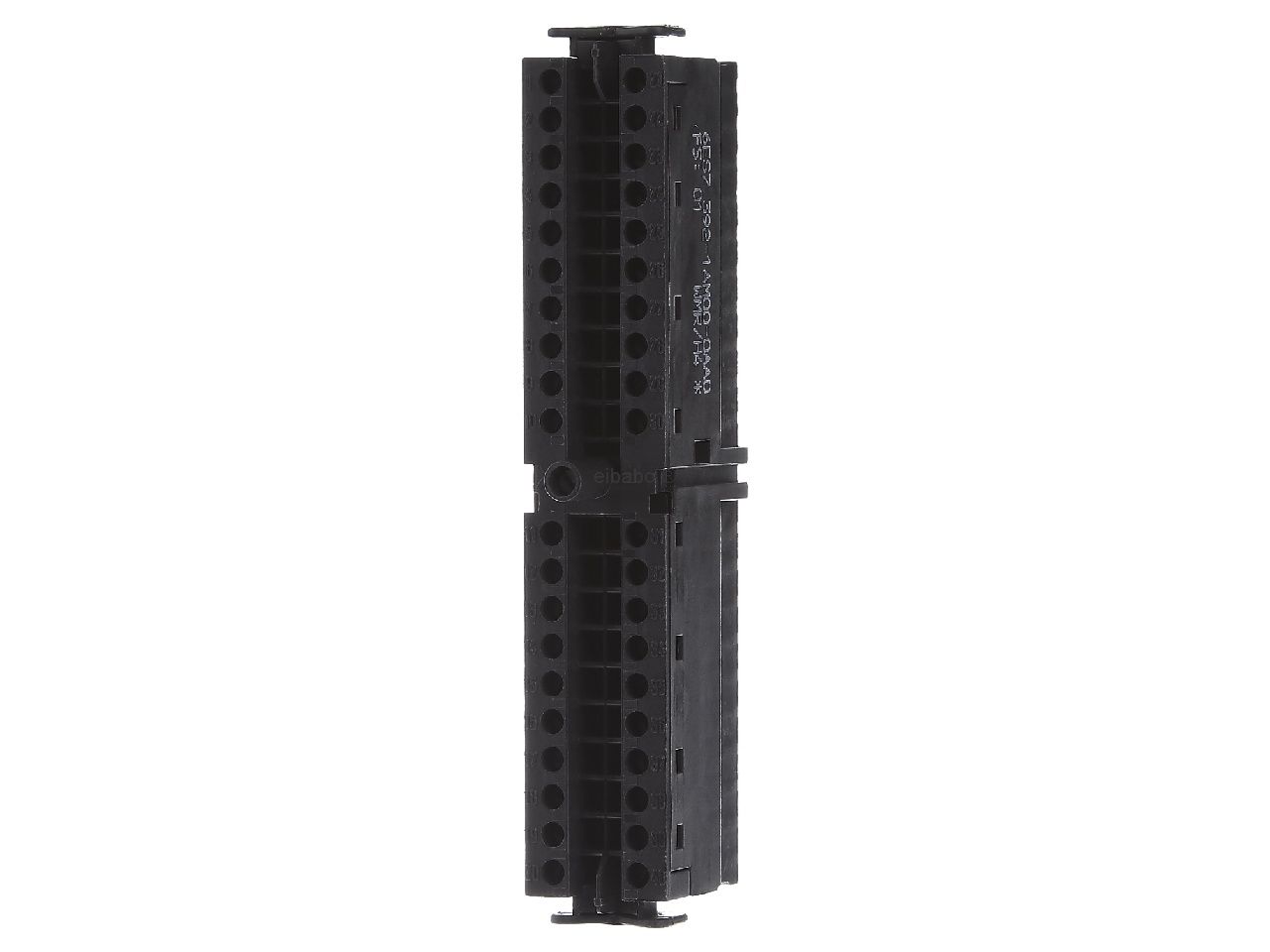
Choosing the right controller is rarely just a technical decision. Buyers are often under pressure to reduce downtime, simplify integration, secure replacement units quickly, and keep future upgrades manageable. This article explains why Siemens PLC continues to stand out for factories, machine builders, system integrators, and maintenance teams. It looks at the most common procurement pain points, compares practical selection factors, and shows how a reliable supply partner such as Quanzhou Xinyuan Technology Co., Ltd. can help businesses move from uncertainty to stable automation planning.
- The real reason industrial buyers still trust Siemens PLC
- The gap between technical specifications and real production needs
- Common sourcing, stocking, compatibility, and lead-time concerns
- How to evaluate models, expansion needs, and lifecycle support
- Why supply reliability matters almost as much as product performance
- Frequently asked questions before purchase
Why is Siemens PLC such a practical choice?
In real industrial environments, equipment decisions are rarely made in a calm conference room with unlimited time. More often, a factory has a line that needs upgrading, a machine builder is balancing performance against budget, or a maintenance manager is trying to replace a failed control component before the next shift starts. In that world, Siemens PLC remains important because it solves practical problems, not just theoretical ones.
A good controller needs to do more than run logic. It should support stable communication, handle demanding industrial conditions, adapt to changing I/O requirements, and fit into broader automation architecture without turning every expansion into a redesign. That is where Siemens PLC keeps earning attention. It is widely used because buyers want something proven, flexible, and easier to scale over time than many low-cost alternatives that look attractive only at the quotation stage.
Another reason buyers continue to favor Siemens PLC is confidence. When production depends on consistent control performance, confidence is not a soft value. It affects delivery schedules, maintenance budgets, and customer satisfaction. A system that integrates cleanly today and remains manageable tomorrow can prevent a long list of expensive disruptions.
What pain points do buyers usually face?
The most common challenge is not simply choosing a model. It is making sure the choice holds up in the real operating environment. Many buyers start with a broad requirement such as “we need a reliable PLC,” but the actual pain points are much more specific.
- Compatibility anxiety: Will the controller communicate smoothly with existing drives, HMIs, sensors, and field devices?
- Lead-time pressure: Can the needed unit be shipped quickly, or will a slow procurement cycle delay installation or repair?
- Expansion concerns: Will the selected platform still work if I/O points, process steps, or line complexity increase later?
- Maintenance burden: Will technicians be able to diagnose faults efficiently, or will every issue require excessive specialist support?
- Supply risk: Can the supplier consistently provide the correct products, or is every repeat order a gamble?
- Total operating cost: Is the low purchase price hiding future integration and service costs?
These concerns are exactly why industrial purchasing is never only about a single product code. A controller may look suitable on paper, but if it arrives late, lacks the right expansion path, or complicates maintenance, it becomes a costly decision. This is why businesses often look beyond specifications and focus on supplier responsiveness, inventory strength, and application understanding.
How should buyers choose the right Siemens PLC?
A smart purchase starts with the application, not the catalog. Before selecting a Siemens PLC, buyers should ask what the system actually needs to do over the next few years, not just what it needs today. A controller that seems “good enough” for the current line may become limiting once new sensors, remote monitoring requirements, or additional stations are added.
| Selection Factor | Why It Matters | What Buyers Should Check |
|---|---|---|
| I/O Requirements | Determines whether the PLC can support current field devices and future additions | Digital and analog points, expansion modules, signal types |
| Communication Needs | Affects integration with HMIs, drives, SCADA, and third-party systems | Supported protocols, network architecture, remote access plans |
| Processing Demand | Important for complex logic, motion, and data-heavy processes | Cycle time, memory, program complexity, diagnostics |
| Environmental Conditions | Harsh environments can shorten component life and create instability | Temperature, dust, vibration, panel layout, electrical noise |
| Lifecycle Planning | Prevents future sourcing and support issues | Availability, replacement strategy, version continuity, inventory support |
It also helps to think in terms of stages:
- What does the machine or line need right now?
- What changes are likely within the next 12 to 36 months?
- How fast would a replacement be needed if a failure occurs?
- Who will maintain the system after commissioning?
The strongest buying decisions usually come from balancing technical fit with supply practicality. That is why many procurement teams value suppliers that understand both the product and the urgency around it.
What makes a supply partner truly valuable?
A supplier is valuable when they reduce risk, not when they only repeat specifications. For industrial buyers, the real value of a partner lies in how much friction they remove from the purchase process. That includes product availability, accuracy, communication, and delivery discipline.
Quanzhou Xinyuan Technology Co., Ltd. appears in the market as a supplier focused on Siemens PLC products and related industrial control solutions, with emphasis on stock support, application suitability, and service responsiveness. That matters because supply reliability directly affects maintenance planning and project execution.:contentReference[oaicite:1]{index=1}
When buyers work with a dependable partner, several things improve at once:
- Urgent replacement orders become more manageable
- Model confirmation is faster and less error-prone
- Procurement teams spend less time chasing updates
- Project timelines become easier to protect
- Long-term repeat purchasing becomes less stressful
This matters especially for international buyers who cannot afford uncertainty around shipping, stock status, or product matching. A quote is only useful if it leads to the right product arriving at the right time.
Where is Siemens PLC commonly used?
One of the reasons Siemens PLC keeps showing up in industrial purchasing discussions is that it fits a wide variety of automation scenarios. It is not limited to one narrow segment. Its value comes from how broadly it can be applied while still offering structured control logic and reliable integration.
| Industry or Use Case | Typical Control Tasks | Why Reliability Matters |
|---|---|---|
| Manufacturing Lines | Conveyor control, sequencing, interlocks, line coordination | Unexpected stoppages can disrupt throughput and labor planning |
| Food and Beverage Processing | Timing, filling, batching, temperature control | Process consistency affects product quality and compliance |
| Pharmaceutical Equipment | Monitoring, controlled operations, traceable process steps | Precision and repeatability are essential |
| Automotive Systems | Assembly logic, motor switching, sensor coordination | Downtime can ripple across multiple stations |
| Utility and Process Systems | Liquid level, pumps, valves, alarms, data acquisition | Control failure can cause safety and cost issues |
The underlying advantage is not just that the controller can run these tasks. It is that buyers can often build a more organized, serviceable automation structure around it. That is a major difference between a controller that merely works and one that supports stable operations over time.
Which buying mistakes create hidden costs?
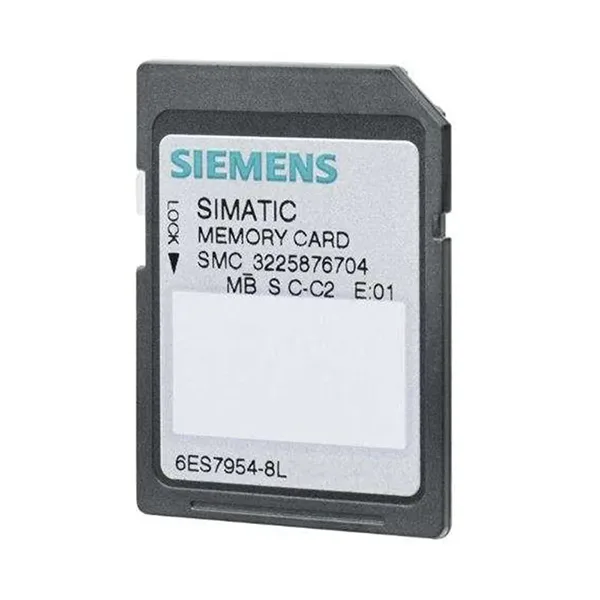
Some of the most expensive mistakes happen before installation even begins. They usually come from focusing on unit price alone and ignoring how the product will behave in a complete operational context.
- Choosing only by price: A cheaper option can become expensive if integration is difficult or failure rates are higher.
- Ignoring future expansion: Today’s exact-fit configuration may become tomorrow’s bottleneck.
- Overlooking delivery capability: Slow replenishment can turn a minor part issue into a major production loss.
- Skipping supplier evaluation: Even a good product becomes a problem when supply communication is weak.
- Buying without application review: Model mismatch can lead to rework, return delays, and commissioning problems.
The better approach is to think of the purchase as part of a broader reliability strategy. Buyers who do that usually ask better questions, compare suppliers more carefully, and avoid last-minute panic decisions.
FAQ
Q1: Is Siemens PLC suitable for both new projects and replacement needs?
Yes. It can be a strong fit for new automation planning as well as retrofit or replacement scenarios, especially when compatibility, diagnostics, and long-term manageability are important.
Q2: What should I prepare before requesting a quotation?
It helps to provide the model number, application type, required quantity, urgency level, and any compatibility concerns involving existing control systems or field devices.
Q3: Why does stock availability matter so much for PLC purchasing?
Because a controller is often needed for a live project or urgent maintenance event. Strong stock support can prevent schedule delays, line stoppages, and emergency sourcing costs.
Q4: Is it enough to compare only the PLC specification sheet?
Not really. Buyers should also compare supply continuity, delivery reliability, support responsiveness, and how well the product fits future expansion plans.
Q5: How can I reduce risk when sourcing internationally?
Work with a supplier that communicates clearly, understands industrial applications, confirms model details carefully, and offers dependable shipping coordination.
What should buyers remember before making the final decision?
The best automation purchase is not the one that looks cheapest on the first quote. It is the one that keeps your equipment stable, your maintenance team efficient, and your project timeline intact. That is why Siemens PLC continues to matter. It addresses the real concerns industrial buyers live with every day: uptime, compatibility, expansion, and dependable control.
If your team is comparing models, preparing for an upgrade, or trying to secure dependable supply for ongoing industrial projects, working with an experienced partner can make the process much easier. Quanzhou Xinyuan Technology Co., Ltd. can help you evaluate suitable options and improve sourcing confidence. Contact us today to discuss your Siemens PLC needs and find a solution that supports both immediate performance and long-term operational stability.