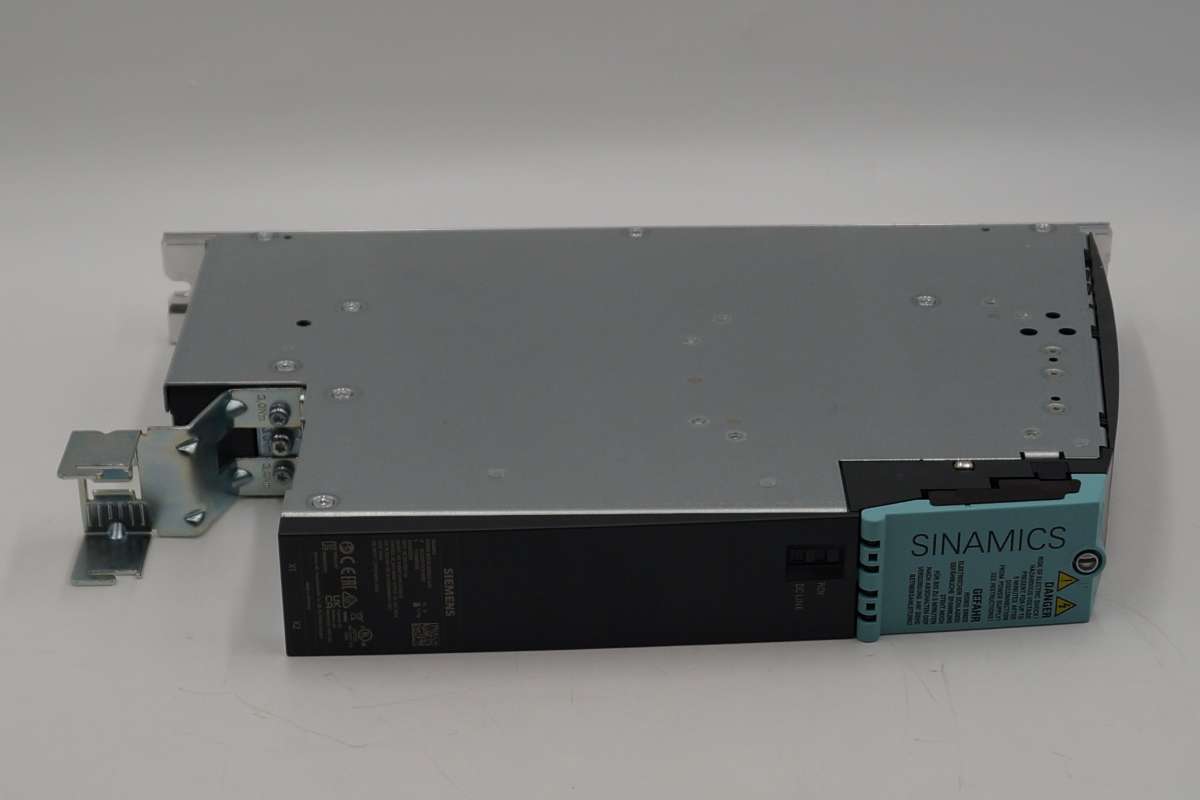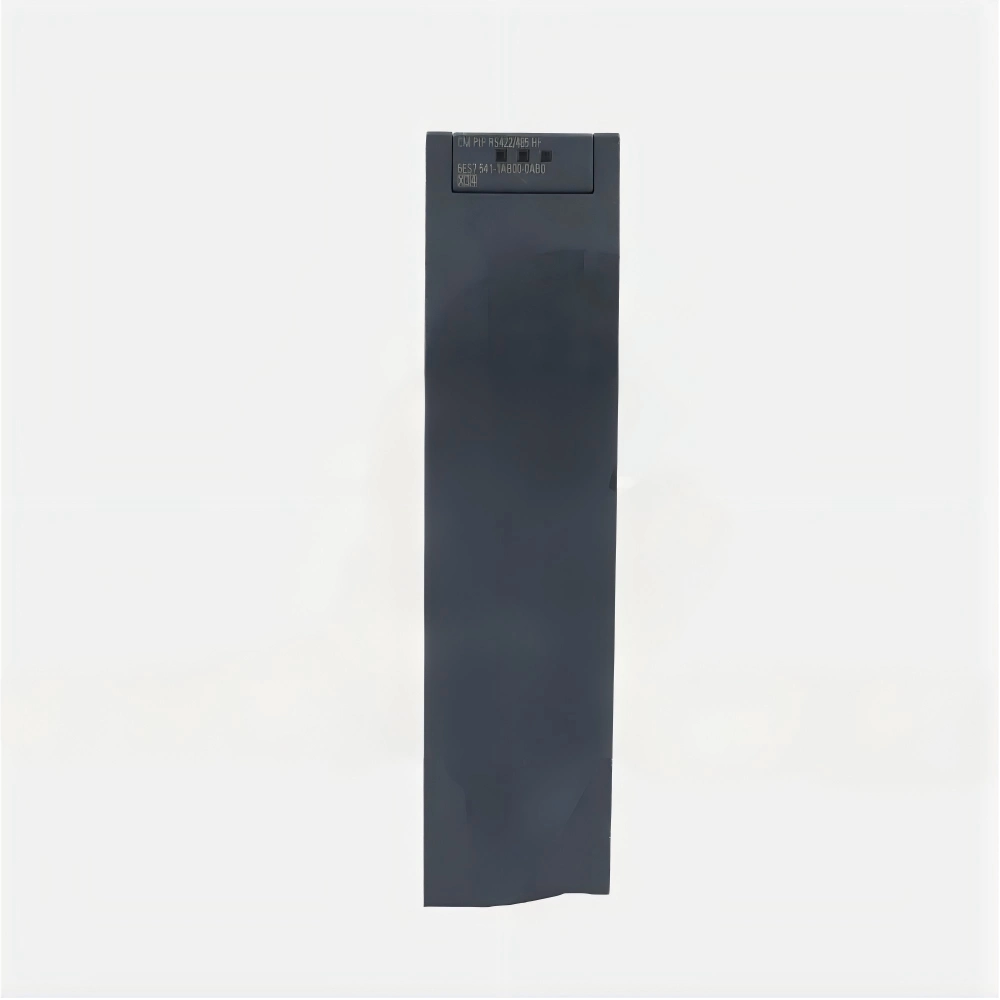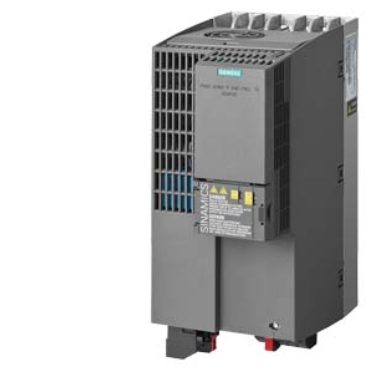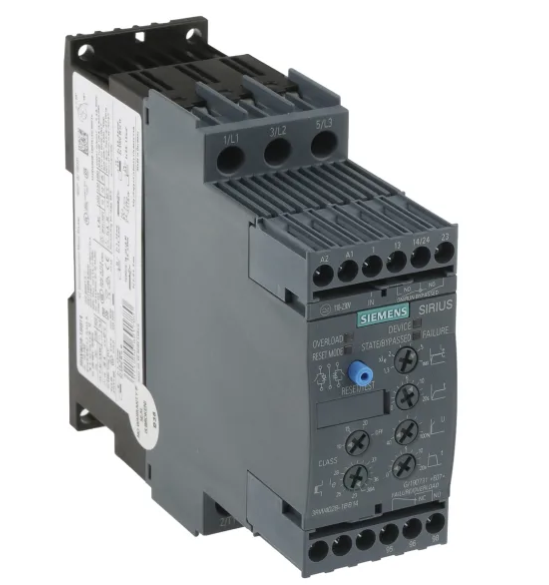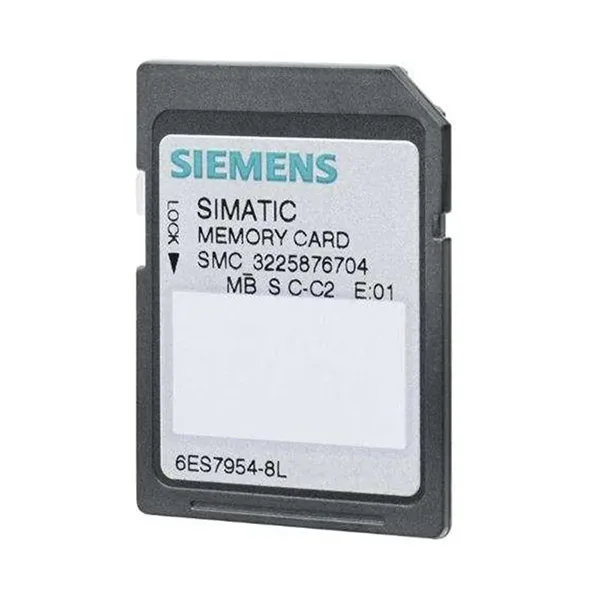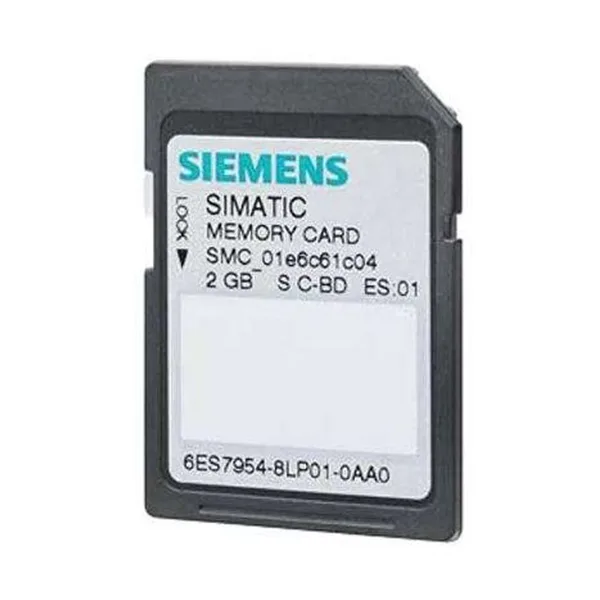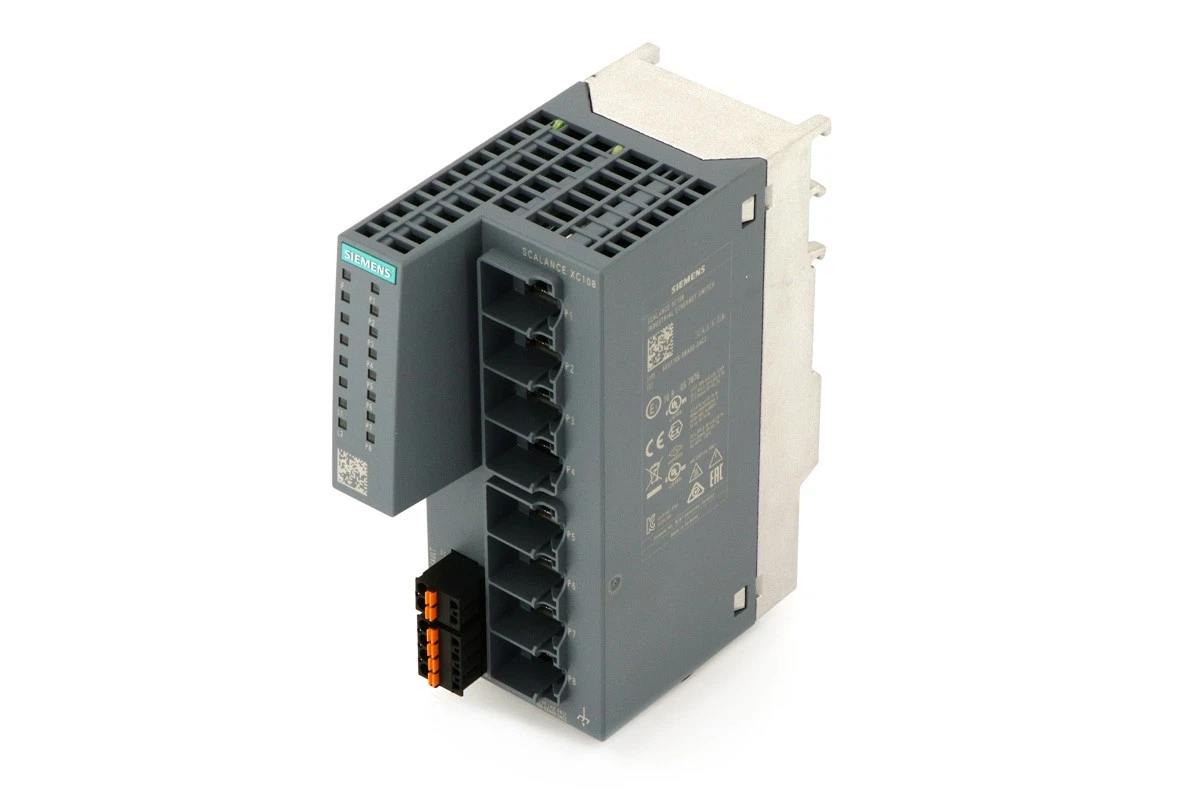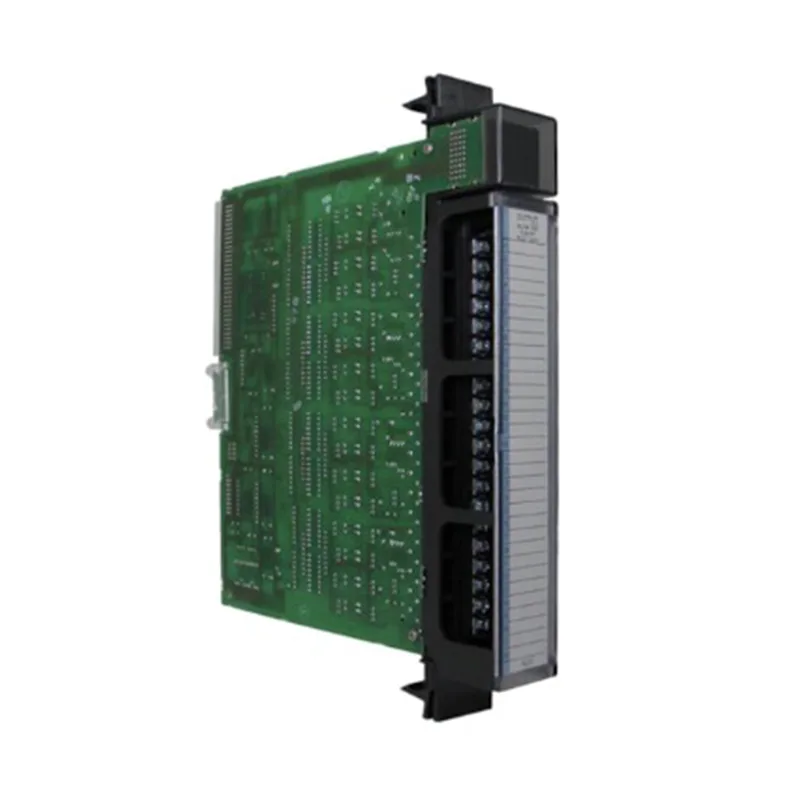
Siemens PLC (Programmable Logic Controller) is widely recognized as one of the most powerful and reliable automation control systems in modern industry. This article provides a comprehensive, in-depth explanation of what Siemens PLC is, how it works, its product families, advantages, applications, and why it has become the preferred choice for factories worldwide. Whether you are an automation engineer, system integrator, or industrial decision-maker, this guide will help you fully understand Siemens PLC and make informed choices.
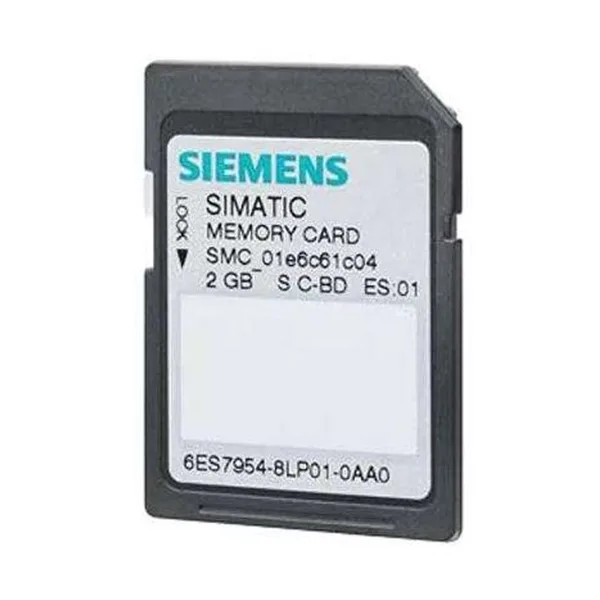
A Siemens PLC is a programmable electronic device developed by Siemens for automating industrial processes. PLC systems are designed to monitor inputs, make decisions based on programmed logic, and control outputs such as motors, valves, and actuators.
Unlike traditional relay-based control systems, Siemens PLCs offer:
Siemens PLC solutions are widely used in industries such as manufacturing, energy, water treatment, automotive, food & beverage, and logistics.
For a technical overview and product reference, you may also explore this resource: Siemens PLC product overview.
The working principle of a Siemens PLC follows a continuous scan cycle:
The PLC receives signals from sensors and switches, processes them using user-defined logic, and sends control signals to output devices.
Siemens PLCs are programmed using Siemens TIA Portal software, which supports multiple programming languages such as LAD, FBD, and SCL.
| PLC Series | Application Level | Typical Use Cases |
|---|---|---|
| LOGO! | Entry-level | Small machines, simple automation |
| S7-1200 | Basic to medium | OEM machines, compact systems |
| S7-1500 | Advanced | High-speed, complex automation |
| S7-300 / S7-400 | Legacy | Large industrial installations |
Each Siemens PLC family is designed to meet specific performance, scalability, and communication requirements.
Companies like Xinyuan rely on Siemens PLC solutions to build stable, intelligent, and future-proof automation systems for global customers.
| Brand | Strengths | Limitations |
|---|---|---|
| Siemens | High performance, integration, reliability | Higher initial cost |
| Allen-Bradley | Strong in North America | Limited global compatibility |
| Mitsubishi | Fast processing | Smaller ecosystem |
Siemens PLC stands out due to its seamless integration with HMI, drives, SCADA, and industrial networks.
Siemens PLC systems are used in a wide range of industries:
Their flexibility allows engineers to customize automation solutions for both simple and highly complex processes.
One of the biggest advantages of Siemens PLC is its ability to integrate seamlessly with:
This integration enables real-time monitoring, predictive maintenance, and data-driven decision-making.
When selecting a Siemens PLC, consider the following factors:
A professional automation partner like Xinyuan can help evaluate your project requirements and recommend the most suitable Siemens PLC solution.
Yes. Siemens LOGO! and S7-1200 PLCs are ideal for small and medium automation applications.
Siemens PLCs are programmed using TIA Portal, which supports multiple programming languages.
Yes. Siemens PLCs support open industrial communication standards for easy integration.
With proper installation and maintenance, Siemens PLCs can operate reliably for 10–20 years.
Siemens PLC has earned its leading position in industrial automation through reliability, flexibility, and continuous innovation. From small machines to complex smart factories, Siemens PLC solutions provide the foundation for efficient, intelligent, and secure automation systems.
If you are planning an automation upgrade or a new industrial project, partnering with an experienced supplier like Xinyuan can ensure optimal system design, implementation, and long-term support.
Looking for professional Siemens PLC solutions tailored to your application? Contact us today to discuss your automation needs and discover how we can help your business achieve higher efficiency and smarter manufacturing.