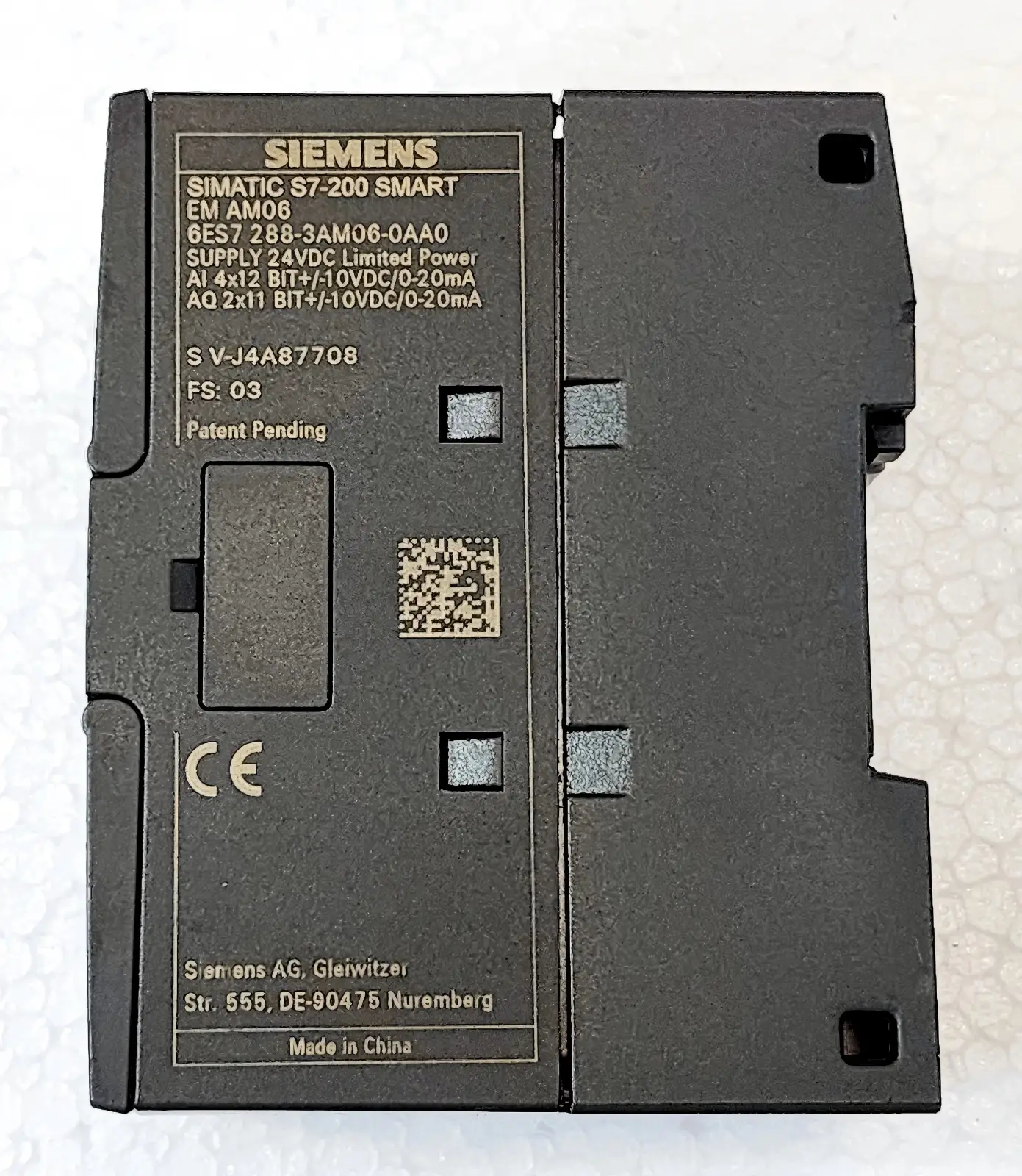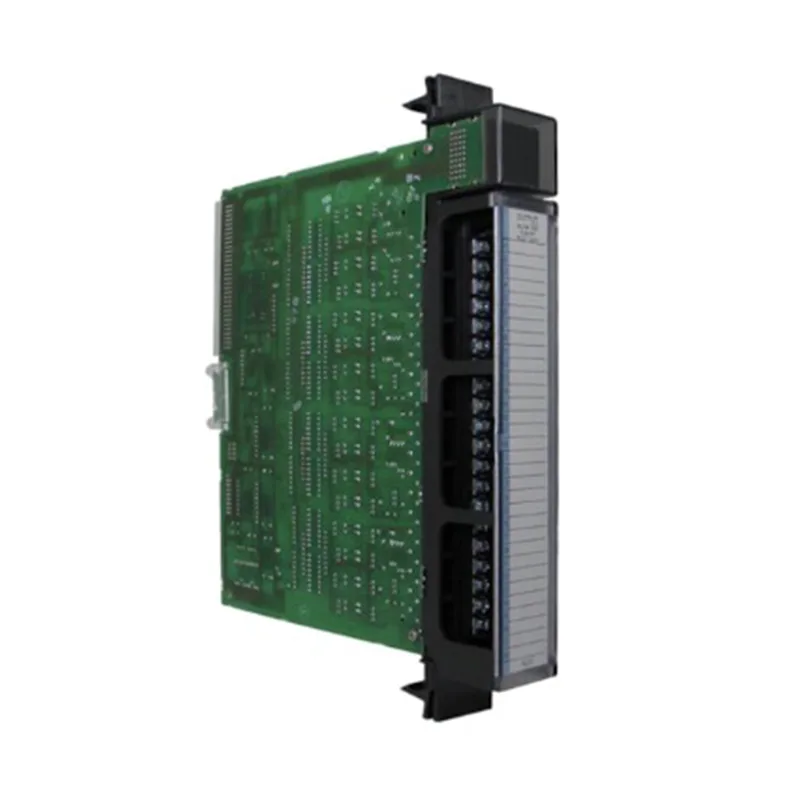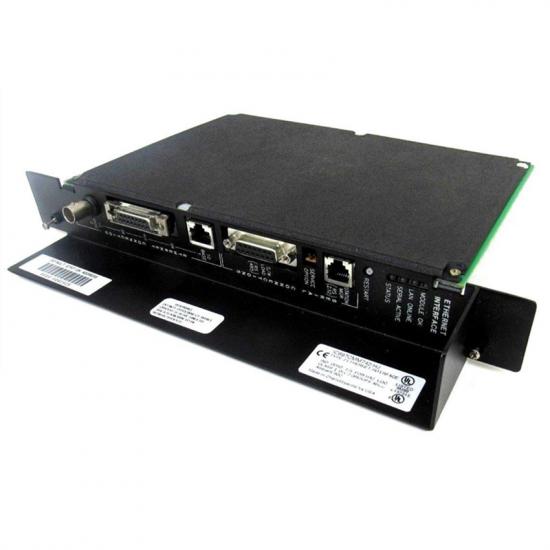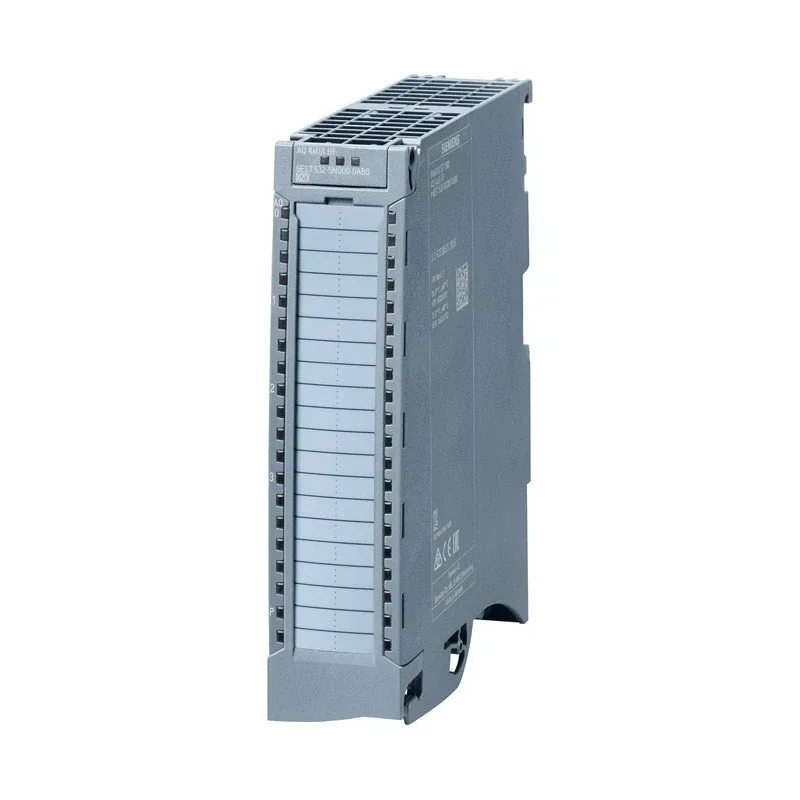
GE PLCs are the backbone of modern industrial automation, controlling complex machinery and ensuring seamless operations. Faults in these systems can lead to costly downtime, production delays, and operational inefficiencies. At Quanzhou Xinyuan Technology Co., Ltd., we have extensive experience in diagnosing, troubleshooting, and maintaining GE PLCs, ensuring that our clients’ automation processes run smoothly and reliably. Our GE PLC products are engineered to offer robustness, flexibility, and longevity, and our team is committed to providing comprehensive guidance on troubleshooting and preventive maintenance.

Programmable logic controllers (PLCs) are essential for automation systems, offering precise control over industrial processes. Among these, GE PLCs stand out for their performance, reliability, and adaptability to diverse industrial applications. However, despite their robustness, GE PLCs can encounter faults due to multiple factors such as hardware failure, software errors, environmental conditions, or human error. Understanding these faults is critical for timely resolution and preventing operational disruptions.
At Quanzhou Xinyuan Technology Co., Ltd., our team has decades of experience in working with GE PLCs across various industries. Our factory specializes in not only manufacturing high-quality GE PLCs but also providing technical guidance on troubleshooting, installation, and maintenance. Our GE PLCs are equipped with diagnostic features that allow users to monitor system status in real time, detect anomalies, and take corrective actions quickly.
This article explores common causes of GE PLC faults, diagnostic methods, preventive maintenance strategies, step-by-step troubleshooting processes, and detailed product specifications. By following our insights, operators can maximize the reliability and lifespan of their GE PLCs, minimize downtime, and enhance production efficiency.
Identifying the root causes of GE PLC faults is the first step toward effective troubleshooting. At Quanzhou Xinyuan Technology Co., Ltd., our observations over years of field operations show that faults can generally be categorized into hardware, software, environmental, and operational factors. Understanding these categories in detail allows operators to implement targeted solutions.
Our GE PLCs at Quanzhou Xinyuan Technology Co., Ltd. are designed with robustness in mind, but understanding these common causes empowers operators to prevent faults proactively.
Effective diagnostics is crucial for pinpointing the source of GE PLC faults and ensuring minimal operational disruption. At Quanzhou Xinyuan Technology Co., Ltd., our approach combines hardware indicators, advanced software, and environmental analysis to deliver comprehensive diagnostics.
Our GE PLCs are equipped with LED indicators for power, CPU status, and module activity. Observing these lights provides immediate insight into operational health. For instance, a blinking red LED may indicate a module failure, while a steady green light confirms normal operation. Operators can quickly identify which module or circuit requires attention.
We provide software capable of reading error logs, monitoring program execution, and analyzing communication signals. These tools allow our technicians to:
Manual testing of input and output signals ensures correct voltage levels and response behavior. Our GE PLCs support both analog and digital signal diagnostics, allowing our factory team to detect irregularities such as voltage drops, signal loss, or interference.
Many GE PLC faults originate from communication errors. We check Ethernet, Modbus, and Profibus connections for protocol compliance, cable integrity, and signal strength. Our GE PLCs are designed to provide alerts in case of communication disruptions.
Temperature, humidity, and electromagnetic interference can all affect GE PLC performance. Using sensors and monitoring systems, we ensure the installation environment meets operational requirements. Our GE PLC enclosures provide additional protection against these environmental factors.
Examining past error logs and maintenance records helps identify recurring issues. At Quanzhou Xinyuan Technology Co., Ltd., we encourage clients to maintain detailed records, allowing our team to implement preventive measures and reduce the likelihood of future faults.
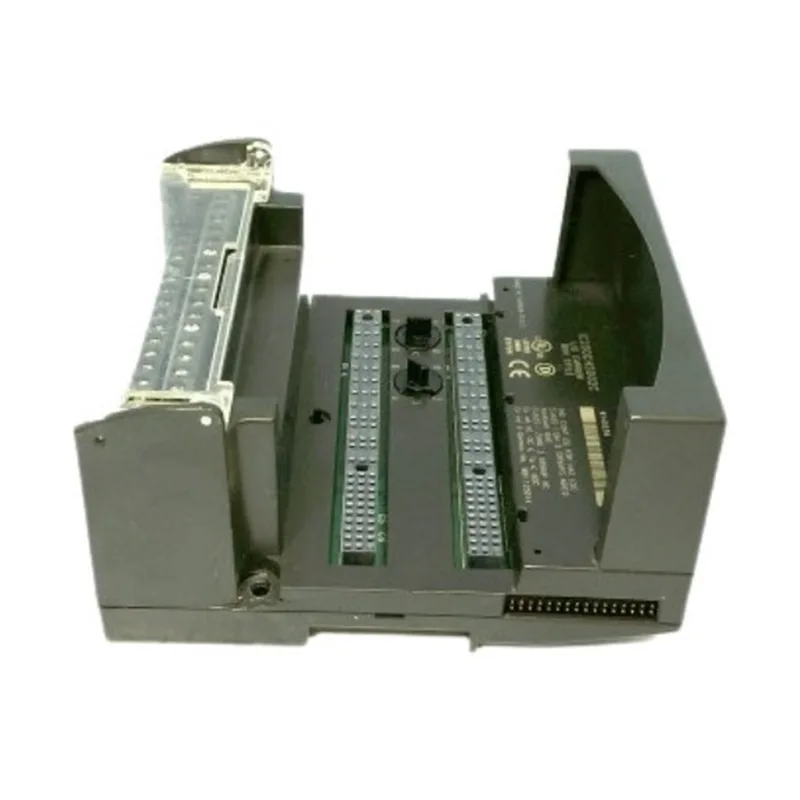
Preventive maintenance is a proactive strategy that significantly enhances the reliability and longevity of GE PLCs. At Quanzhou Xinyuan Technology Co., Ltd., our factory emphasizes routine maintenance protocols to minimize downtime and extend equipment life.
Regular inspection of power supplies, I/O modules, connectors, and CPU units helps identify early signs of wear or damage. Our GE PLCs are built for easy module replacement, facilitating efficient maintenance without extended system downtime.
Updating PLC firmware ensures compatibility with new programs and eliminates known bugs. Our factory provides step-by-step guidance for updating GE PLC software safely.
Maintaining copies of control logic and configurations allows for quick recovery if a fault occurs. Our GE PLCs support memory backup and verification tools, helping operators restore operations rapidly.
Maintaining optimal operating conditions, including temperature control, dust protection, and electromagnetic shielding, reduces stress on GE PLC components. Our GE PLC enclosures and cooling solutions are designed to withstand harsh industrial environments.
Ensuring staff are trained in proper operation, troubleshooting, and maintenance procedures reduces human error. Our team at Quanzhou Xinyuan Technology Co., Ltd. provides training resources to enhance operational proficiency.
Implementing routine maintenance intervals prevents unexpected failures. Our GE PLC maintenance schedule includes weekly visual inspections, monthly software checks, and annual full system reviews.
Systematic troubleshooting is critical for resolving GE PLC faults efficiently. At Quanzhou Xinyuan Technology Co., Ltd., our step-by-step approach ensures thorough analysis and correction while minimizing production disruption.
Understanding product specifications is essential for selecting the right GE PLC and ensuring reliable operation. Our GE PLCs from Quanzhou Xinyuan Technology Co., Ltd. are designed to meet rigorous industrial standards and accommodate diverse automation needs.
| Model | GE PLC-1000 |
| CPU Type | High-performance microprocessor |
| I/O Capacity | 128 digital, 64 analog |
| Communication | Ethernet, Modbus, Profibus |
| Power Supply | 24V DC / 110-220V AC |
| Operating Temperature | -20°C to 60°C |
| Memory | Up to 64 MB program storage |
| Diagnostic Features | Real-time monitoring, LED indicators, error logs |
Our GE PLCs are engineered for durability, flexibility, and user-friendly maintenance. Each parameter is designed to ensure optimal performance in demanding industrial environments, making our products a reliable choice for complex automation systems.
GE PLCs are critical for industrial automation, and proper troubleshooting is essential to maintain performance and prevent downtime. At Quanzhou Xinyuan Technology Co., Ltd., our experience, diagnostic tools, and preventive maintenance strategies ensure our GE PLCs operate reliably over the long term. By
understanding common faults, applying systematic diagnostic methods, following preventive maintenance practices, and performing step-by-step troubleshooting, operators can maximize uptime and productivity. Our GE PLCs are designed with high durability, advanced diagnostics, and flexible configuration to meet diverse industrial requirements.
Contact Quanzhou Xinyuan Technology Co., Ltd. today to explore our range of GE PLCs and receive professional support for installation, troubleshooting, and maintenance. Our team is committed to helping you optimize your automation systems, reduce downtime, and enhance operational efficiency.
Q1: How Do People Troubleshoot GE PLC Faults if the PLC Does Not Power On?
Check power supply connections, ensure proper voltage levels, inspect fuses and relays, and verify grounding integrity. Our GE PLCs are designed with LED indicators to help quickly identify power-related issues.
Q2: How Do People Troubleshoot GE PLC Faults When Input Signals Are Incorrect?
Inspect wiring, terminal connections, and sensor outputs. Use diagnostic software to validate input signal quality. Environmental interference should also be evaluated to ensure signal accuracy.
Q3: How Do People Troubleshoot GE PLC Faults if Output Devices Fail to Respond?
Test output modules and connected devices, verify program logic, and ensure no configuration errors exist. Our GE PLCs support modular testing for rapid fault isolation.
Q4: How Do People Troubleshoot GE PLC Faults During Communication Failures?
Check network cables, connectors, protocol settings, and device addresses. Utilize diagnostic tools to verify data transmission and identify interruptions in communication.
Q5: How Do People Troubleshoot GE PLC Faults Due to Environmental Conditions?
Assess temperature, humidity, dust levels, and electromagnetic interference. Ensure PLC enclosures and protective measures are functioning. Our GE PLCs are built to withstand harsh conditions.
Q6: How Do People Troubleshoot GE PLC Faults When Firmware Corruption Occurs?
Verify firmware integrity, perform updates, and restore program backups if needed. At Quanzhou Xinyuan Technology Co., Ltd., we maintain firmware versions to minimize software-related errors.
Q7: How Do People Troubleshoot GE PLC Faults if I/O Modules Are Malfunctioning?
Isolate modules and perform replacement tests. Use diagnostic software to read error logs and confirm proper operation after replacement. Our modular GE PLC design simplifies this process.
Q8: How Do People Troubleshoot GE PLC Faults During System Startup Errors?
Examine startup routines, power sequences, and initialization settings. Verify hardware connections and monitor for any abnormal signals. Our GE PLCs provide startup indicators to facilitate troubleshooting.