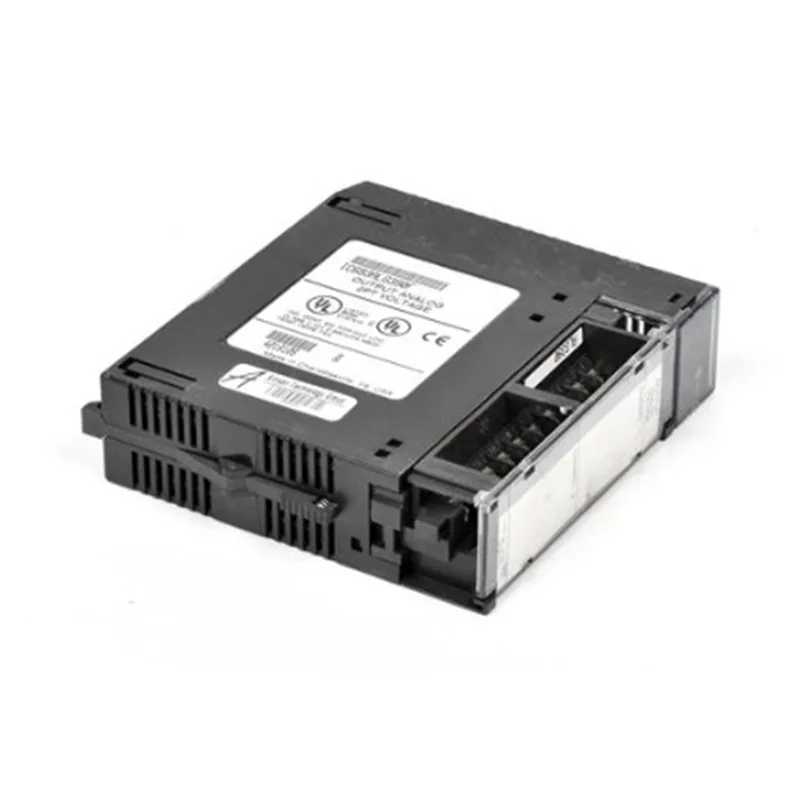
The GE PLC is a critical component in industrial automation, providing reliable control for manufacturing and processing systems. However, like any sophisticated system, faults may occur, impacting performance and efficiency. Understanding how to troubleshoot a GE PLC fault is essential for maintenance teams and engineers to minimize downtime and optimize operations. In this article, our experts from Quanzhou Xinyuan Technology Co., Ltd. provide comprehensive insights, technical specifications, and practical guidance for troubleshooting GE PLC systems effectively.

Understanding the specifications and capabilities of the GE PLC is fundamental for troubleshooting and optimizing industrial automation systems. At Quanzhou Xinyuan Technology Co., Ltd., we design and manufacture GE PLC systems that cater to a broad range of industrial applications, from small-scale automation lines to complex, large-scale production facilities. Our commitment is to ensure our customers can rely on the GE PLC for precision control, reliability, and efficiency.
The GE PLC is a highly versatile programmable logic controller capable of handling diverse industrial control tasks. Its design emphasizes modularity, allowing users to customize input/output configurations, memory capacity, and communication protocols based on specific production needs. In our factory, each GE PLC undergoes stringent quality testing to ensure robust performance under varied environmental conditions.
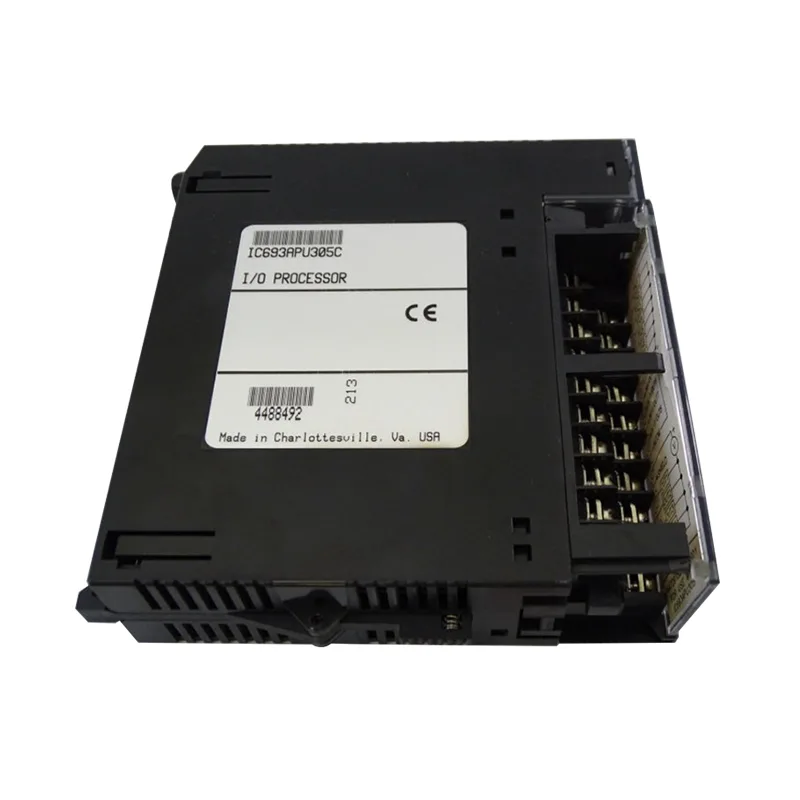
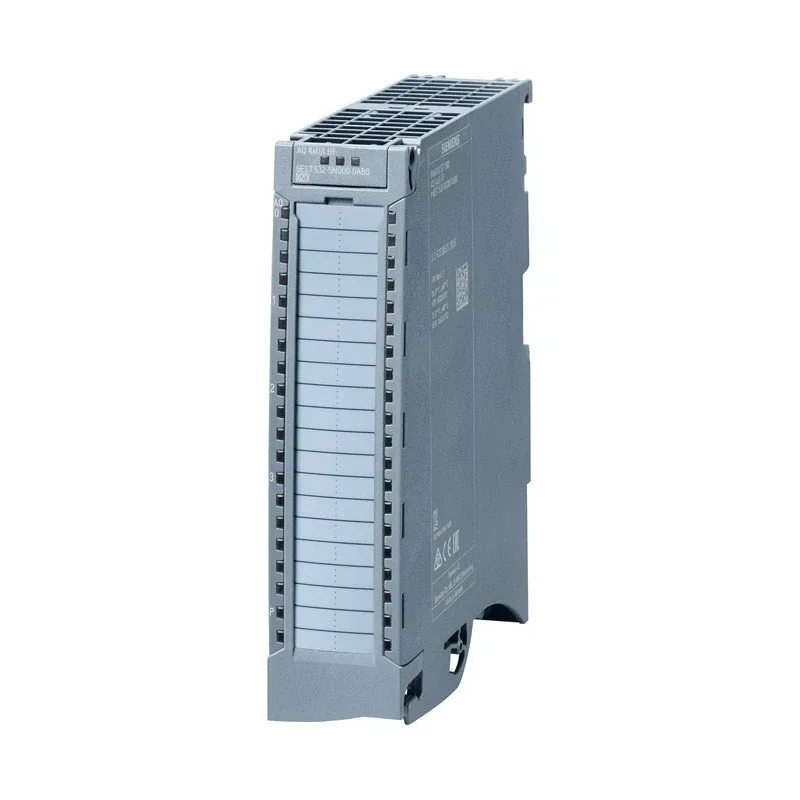
One of the primary features that influences the troubleshooting process is the I/O capacity of the GE PLC. Our GE PLC series supports both digital and analog inputs and outputs, providing maximum flexibility for different control scenarios. Users can expand the I/O modules as production requirements increase without replacing the entire system. For instance, in our factory, GE-PLC-1000 supports 128 I/O points, while the GE-PLC-3000 can accommodate up to 512 points. Proper knowledge of the I/O capacity allows technicians to efficiently isolate faults to specific modules, reducing downtime.
The processing speed of a PLC determines how quickly it can execute program logic and respond to input changes. Our GE PLC models are equipped with high-speed processors ranging from 1.2 GHz to 2.0 GHz, which ensures rapid execution of control tasks. In applications where response time is critical, such as conveyor belt control or robotic arm operation, the high processing speed minimizes delays and prevents cumulative errors. Our factory emphasizes selecting the appropriate processor based on the operational load to avoid performance bottlenecks that could lead to perceived faults.
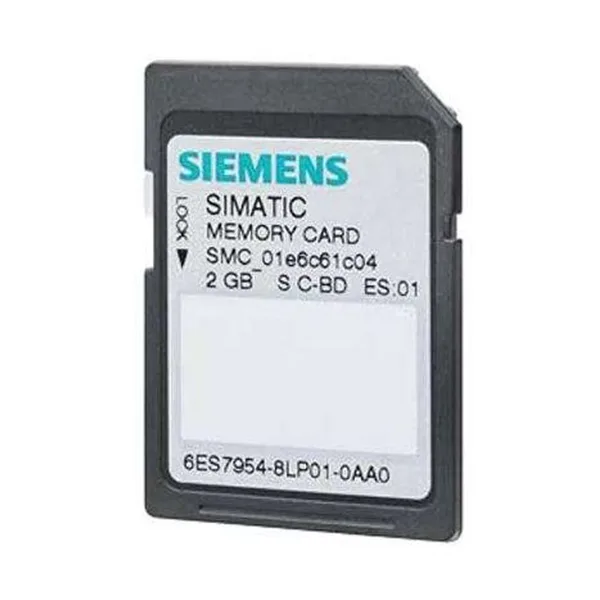
Memory is a key parameter that directly affects the complexity of programs a GE PLC can handle. Our GE PLC systems come with memory capacities ranging from 512 MB to 2 GB, accommodating intricate control algorithms and extensive logging of operational data. Memory management is essential for troubleshooting because insufficient memory or program corruption can cause unexpected faults. At Quanzhou Xinyuan Technology Co., Ltd., our factory ensures that memory modules are pre-tested and optimized for both short-term performance and long-term durability.
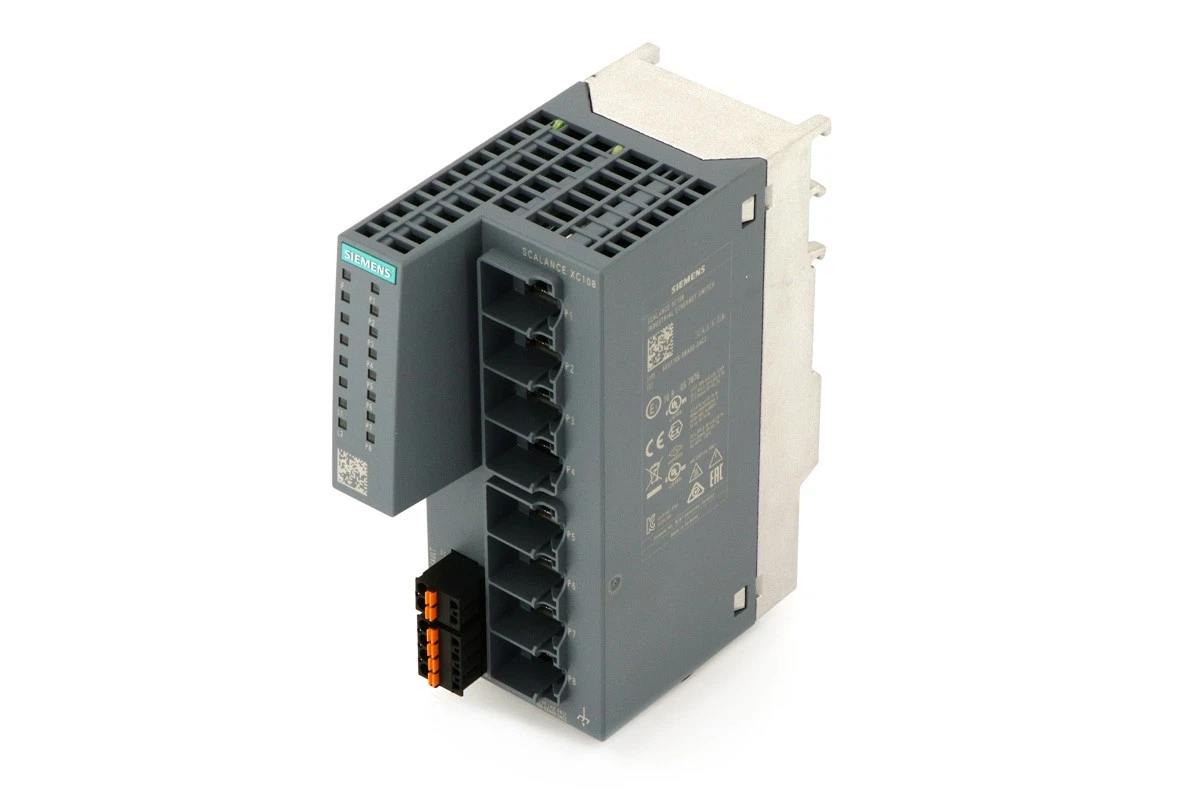
Communication interfaces are integral to GE PLC functionality. Our GE PLC systems support multiple protocols including Ethernet/IP, Modbus, Profibus, and DeviceNet, allowing seamless integration with existing industrial networks. When troubleshooting network-related faults, understanding these protocols helps isolate issues such as data transmission errors, synchronization failures, or conflicts with other devices. Our factory designs each GE PLC with multiple communication ports to ensure redundancy, which enhances reliability and simplifies fault diagnosis.
GE PLCs are designed to operate reliably under various environmental conditions. Our products are built to withstand temperatures ranging from -20°C to 70°C and tolerate humidity and dust exposure. Environmental stress can be a hidden cause of faults, especially in factories with poor climate control or dusty atmospheres. Our factory rigorously tests each unit to simulate these conditions, ensuring that users experience minimal environmental-induced failures.
Stable power supply is critical to prevent GE PLC faults. Our GE PLCs are compatible with a range of industrial power inputs and are equipped with surge protection and redundancy features. When troubleshooting, technicians often check for voltage fluctuations, power surges, or power supply failures. By integrating redundant power modules, our factory ensures uninterrupted operations and reduces the risk of faults caused by power issues.
Modern GE PLC systems from our factory include advanced diagnostics and real-time monitoring capabilities. These features allow operators to track input/output status, monitor processor loads, and review error logs. By leveraging these tools during troubleshooting, our technical team can quickly pinpoint the origin of faults, whether in hardware, software, or network components. The inbuilt diagnostic LEDs and error codes guide the troubleshooting process, ensuring efficient resolution without extensive downtime.
Our GE PLCs are designed with modular architecture, making them scalable for future production needs. Whether adding new I/O modules, upgrading communication ports, or expanding memory, our factory ensures that each system can be easily enhanced without replacing the entire setup. This scalability also facilitates troubleshooting, as modules can be isolated and tested independently, allowing for precise identification of fault sources.
| Model | Input/Output Points | Processor Speed | Memory | Communication Ports | Operating Temperature |
| GE-PLC-1000 | 128 | 1.2 GHz | 512 MB | Ethernet/IP, Modbus | -20°C to 60°C |
| GE-PLC-2000 | 256 | 1.5 GHz | 1 GB | Ethernet/IP, Modbus, Profibus | -20°C to 65°C |
| GE-PLC-3000 | 512 | 2.0 GHz | 2 GB | Ethernet/IP, Modbus, Profibus, DeviceNet | -20°C to 70°C |
By fully understanding these key parameters, our factory customers can troubleshoot GE PLC faults more efficiently. Each feature is designed to provide both operational excellence and ease of maintenance. The combination of high processing speed, robust memory, diverse communication protocols, environmental tolerance, and expandability ensures that our GE PLC systems maintain long-term reliability and performance, even in demanding industrial applications. Our technical team at Quanzhou Xinyuan Technology Co., Ltd. remains committed to providing guidance and support to ensure optimal use of our GE PLC products.
In conclusion, comprehensive knowledge of GE PLC specifications is not only essential for effective troubleshooting but also for enhancing overall operational efficiency. By leveraging the features provided in our GE PLC systems and following proper maintenance practices, operators can minimize downtime, prevent faults, and maximize productivity.
Understanding the reasons behind GE PLC faults is crucial for efficient troubleshooting and long-term system reliability. At Quanzhou Xinyuan Technology Co., Ltd., we have observed that most faults in GE PLC systems are caused by a combination of electrical, environmental, and operational factors. By identifying these causes, our factory ensures that troubleshooting is more accurate, faster, and reduces unnecessary downtime.
One of the most common causes of GE PLC faults is an unstable or inadequate power supply. Our GE PLC models require a stable voltage input to operate correctly. Power surges, dips, or interruptions can trigger system faults, cause unexpected shutdowns, or even damage sensitive components. In industrial environments where electrical fluctuations are common, our factory recommends using uninterruptible power supplies (UPS) or surge protection devices. During troubleshooting, checking the input voltage and reviewing the history of electrical interruptions is always the first step, as this can often immediately identify the cause of the fault.
Loose, damaged, or incorrectly wired connections are another leading cause of GE PLC faults. Our factory designs GE PLC systems with clear labeling and standardized connectors to minimize wiring errors. However, in complex installations with numerous I/O points, it is still possible for connection faults to occur. During troubleshooting, our engineers recommend systematically checking all wiring connections, verifying terminal integrity, and using diagnostic tools to measure continuity. This approach quickly isolates faulty connections and prevents repeated failures.
Software issues are a frequent source of GE PLC faults. Incorrectly written logic, corrupted program files, or incompatible updates can cause the PLC to behave unexpectedly. Our factory provides pre-tested software and programming templates to minimize these risks, but operators must still ensure proper programming practices. When troubleshooting, reviewing program logic, checking for syntax errors, and verifying the stored programs in memory are essential. Our GE PLC systems also include diagnostic logs that record abnormal events, which can guide technicians to the root of software-related issues efficiently.
Environmental conditions have a significant impact on the performance of GE PLCs. Our products are built to operate within a temperature range of -20°C to 70°C and tolerate standard industrial humidity levels, but extreme conditions can still induce faults. High temperatures can overheat processors, while excessive humidity or dust can lead to corrosion or short circuits. During troubleshooting, our factory advises examining environmental factors such as ambient temperature, ventilation, and the presence of dust or liquids. Preventive maintenance and controlled environments significantly reduce the likelihood of environmental-induced faults.
Despite robust manufacturing, hardware components can fail due to aging or unexpected stress. Commonly affected components include CPUs, memory modules, and I/O boards. Our factory ensures each GE PLC undergoes rigorous stress testing to minimize hardware failure rates. However, during troubleshooting, it is important to check the operational status of all modules, replace defective parts promptly, and monitor system performance over time. Early detection and replacement prevent minor hardware issues from escalating into major system faults.
GE PLCs rely heavily on network communication to interact with other devices and systems. Communication errors, such as network congestion, incorrect protocol settings, or faulty cables, can result in perceived PLC faults. Our factory equips GE PLC systems with multiple communication options, including Ethernet/IP, Modbus, Profibus, and DeviceNet, allowing flexible and reliable integration. When troubleshooting, it is essential to verify all network connections, check protocol configurations, and monitor data transmission logs. Identifying network-related issues early prevents misdiagnosis and ensures stable PLC operation.
Electromagnetic interference (EMI) and radio frequency interference (RFI) can disrupt the normal operation of GE PLCs. Industrial environments often have heavy machinery and high-power equipment that generate interference. Our factory designs GE PLCs with shielding and grounding measures to minimize these effects, but technicians must still evaluate the installation site during troubleshooting. Ensuring proper grounding, separating PLC wiring from high-power lines, and using shielded cables can prevent interference-related faults.
Operational mistakes, such as incorrect parameter settings or improper maintenance procedures, can also trigger GE PLC faults. Our factory emphasizes proper operator training and provides comprehensive manuals and documentation. During troubleshooting, confirming that all procedures were correctly followed is critical. In many cases, simple adjustments, such as restoring default parameters or correcting configuration errors, resolve faults quickly without the need for hardware replacement.
Consistent monitoring and preventive maintenance significantly reduce the occurrence of GE PLC faults. Our factory recommends regular inspection of wiring, I/O modules, and environmental conditions. Utilizing the diagnostic features of GE PLC systems, including LED status indicators and error logs, allows technicians to identify potential issues before they cause major faults. Scheduled maintenance ensures longevity, reduces unexpected downtime, and facilitates faster troubleshooting when faults do occur.
By understanding these common causes of GE PLC faults, operators and maintenance teams can apply targeted troubleshooting methods. Our factory at Quanzhou Xinyuan Technology Co., Ltd. emphasizes a combination of hardware reliability, software integrity, environmental control, and operator training to minimize system faults. Through a proactive approach, faults can be detected early, diagnosed accurately, and resolved efficiently, ensuring continuous operation and long-term performance of GE PLC systems.
Effective troubleshooting requires a structured approach. At Quanzhou Xinyuan Technology Co., Ltd., our engineers follow a detailed procedure to diagnose and resolve GE PLC faults efficiently. Here is our step-by-step guide:
Following this systematic approach allows our customers to maintain continuous production and extend the lifespan of their GE PLC systems.
Preventing GE PLC faults is as crucial as troubleshooting them. At Quanzhou Xinyuan Technology Co., Ltd., our experience shows that a proactive approach to maintenance, proper system design, and operator training significantly reduces downtime and ensures long-term reliability. By implementing best practices, our factory helps clients maximize the efficiency and lifespan of their GE PLC systems.
Routine inspection is the cornerstone of fault prevention. Our GE PLC systems are designed to provide clear diagnostic indicators, making it easier for technicians to monitor system health. Regular inspection includes checking wiring, connectors, power supply units, I/O modules, and communication lines. We recommend scheduling inspections at least once a month to detect potential issues before they escalate into significant problems. Our factory also suggests maintaining detailed logs of inspections and maintenance activities to track system trends and identify recurring issues early.
The operational environment significantly impacts GE PLC performance. Our factory emphasizes placing PLCs in clean, temperature-controlled, and humidity-regulated areas to minimize environmental stress. Dust, moisture, and extreme temperatures can accelerate hardware degradation or induce communication errors. Using climate-controlled enclosures and ensuring proper ventilation around the GE PLC can prevent many environmental-induced faults. Additionally, periodic cleaning of the PLC and surrounding equipment helps maintain optimal performance.
Stable and clean power supply is essential to prevent GE PLC faults. Power fluctuations, surges, or interruptions can lead to unexpected shutdowns or hardware damage. Our GE PLC systems are designed to handle industrial power ranges, but we recommend incorporating uninterruptible power supplies (UPS), surge protectors, and proper grounding to maintain consistent power quality. During preventive checks, technicians should measure voltage stability and verify the integrity of power supply circuits.
Software issues are a major source of faults. Our factory provides pre-tested software updates for all GE PLC models to improve functionality and address known issues. Maintaining up-to-date firmware and program logic prevents system crashes, communication failures, and unexpected behavior. Best practices include verifying program backups, testing updates in a controlled environment, and documenting changes systematically. By ensuring software integrity, operators can avoid faults that often appear as hardware issues during troubleshooting.
Human error is often underestimated as a source of GE PLC faults. Our factory strongly advocates for comprehensive operator training to ensure correct handling, configuration, and maintenance of PLC systems. Operators should be familiar with diagnostic tools, error codes, and preventive procedures. Knowledge sharing sessions within maintenance teams improve overall response time and reduce the likelihood of mistakes. Our factory also provides detailed manuals and troubleshooting guides that empower operators to take proactive measures.
Keeping critical spare parts on hand is a practical strategy for fault prevention. Our GE PLC systems include modular I/O boards, memory modules, and communication units that can be quickly replaced in case of failure. Our factory advises maintaining an inventory of essential components to reduce downtime and facilitate rapid repairs. Proper labeling and organized storage of spare parts enhance efficiency and prevent delays when faults occur.
Modern GE PLC systems from our factory include advanced monitoring and data logging capabilities. Tracking processor load, I/O activity, communication status, and error history allows technicians to detect anomalies early. Implementing continuous monitoring systems and automated alerts ensures that potential faults are identified before they escalate. Regularly reviewing logs helps identify patterns that could indicate wear, environmental stress, or recurring software issues, enabling preventive action.
In critical industrial applications, redundancy is a key preventive measure. Our GE PLCs can be configured with redundant CPUs, power supplies, and communication channels. Redundant systems ensure uninterrupted operation even if one module fails. Our factory integrates fail-safe design principles, allowing operations to continue while faults are isolated and repaired. This approach reduces the impact of unexpected faults and ensures continuous productivity.
Maintaining comprehensive documentation is essential for consistent fault prevention. Our factory provides detailed manuals, wiring diagrams, configuration guidelines, and maintenance schedules for all GE PLC systems. Standard operating procedures (SOPs) for installation, inspection, software updates, and troubleshooting ensure that all maintenance personnel follow consistent and effective practices. Proper documentation reduces the risk of human error and facilitates quicker fault resolution if issues arise.
Despite best practices, some faults may require specialized expertise. Our factory at Quanzhou Xinyuan Technology Co., Ltd. offers professional technical support, including remote diagnostics, consultation, and on-site assistance. Regular communication with our support team ensures that preventive measures align with the latest updates, industry standards, and operational best practices. Leveraging our factory’s expertise enhances fault prevention and prolongs the lifespan of GE PLC systems.
By adopting these best practices, operators and maintenance teams can significantly reduce the occurrence of GE PLC faults, enhance system reliability, and ensure optimal performance. Our factory emphasizes a holistic approach combining regular inspection, environmental control, software integrity, operator training, and redundancy to maintain uninterrupted industrial operations. Implementing these preventive strategies not only minimizes downtime but also maximizes the return on investment in GE PLC systems.
Understanding how to troubleshoot a GE PLC fault requires knowledge of the system's specifications, awareness of common fault causes, and adherence to structured diagnostic procedures. At Quanzhou Xinyuan Technology Co., Ltd., our GE PLC products are designed for durability, precision, and ease of maintenance. By following our step-by-step troubleshooting guide and implementing preventive best practices, our customers can maximize the reliability and longevity of their automation systems.
For those seeking high-quality GE PLC solutions and expert guidance, our factory is ready to provide support, ensuring efficient, uninterrupted operations for all industrial applications. Contact Quanzhou Xinyuan Technology Co., Ltd. today to explore our range of reliable GE PLC products and receive professional troubleshooting support for uninterrupted industrial automation.
Q1: How can I quickly identify the cause of a GE PLC fault?
A1: Start with visual inspection and LED error codes, then follow systematic testing of power supply, I/O modules, and program logic. Our factory emphasizes logging errors for recurring issues.
Q2: Can software updates resolve a GE PLC fault?
A2: Yes, updating firmware and software can fix known bugs and prevent communication errors. Our team ensures all GE PLC modules are compatible with the latest updates.
Q3: What should I do if the PLC stops communicating with other devices?
A3: Check network configurations, cables, and communication protocols. At our factory, we provide guidance for verifying Ethernet/IP, Modbus, or Profibus connections.
Q4: How often should I perform preventive maintenance to avoid faults?
A4: Conduct inspections and tests at least monthly, checking power supply, I/O modules, and program integrity. Our factory provides detailed preventive maintenance schedules.
Q5: When should I contact technical support for a GE PLC fault?
A5: If a fault persists after systematic troubleshooting, contact our factory support team. Our experts can provide remote diagnostics or on-site solutions to restore operations efficiently.